In this article
- What do you want the camera to ask of you?
- The M11: looking through the finder and doing the focusing
- The Q3: autofocus leaves different decisions in your hands
- The lens is a larger decision than the megapixels
- What actually goes into your bag?
- The small photographs that expose a practical difference
- An electronic finder changes an M, but does not make it a Q
- Sixty megapixels, Sony sensors and the colour of the finished photograph
- How I would choose for travel, people and an unhurried walk
- Buy the method you will enjoy using
What do you want the camera to ask of you?
Before you spend this kind of money on a camera, I would like you to think about a very ordinary photograph. Someone is sitting opposite you. The light is good, the expression is interesting, and you have perhaps a few seconds before the moment changes. What do you want to happen when you lift the camera?
Do you want to turn a focusing ring, bring two images together and decide exactly when to release the shutter? Or would you prefer to place the focus point, let the camera focus and give your attention to the person? Neither answer tells me whether you are a good photographer. It tells me something useful about the camera you will enjoy using.
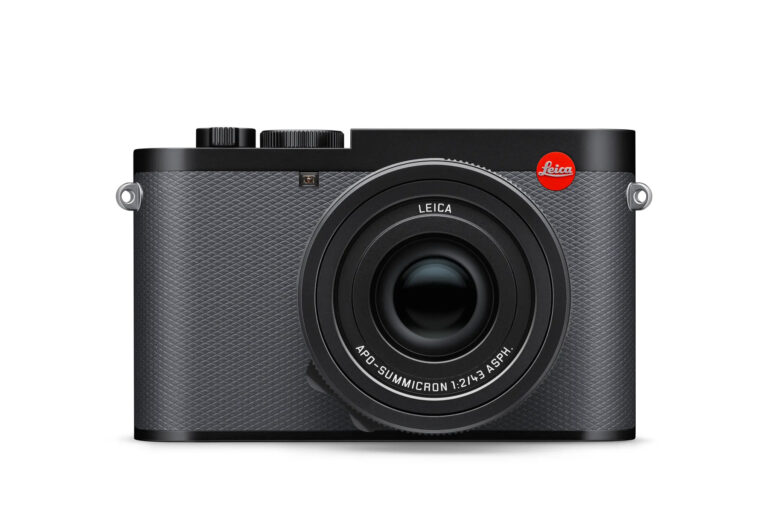
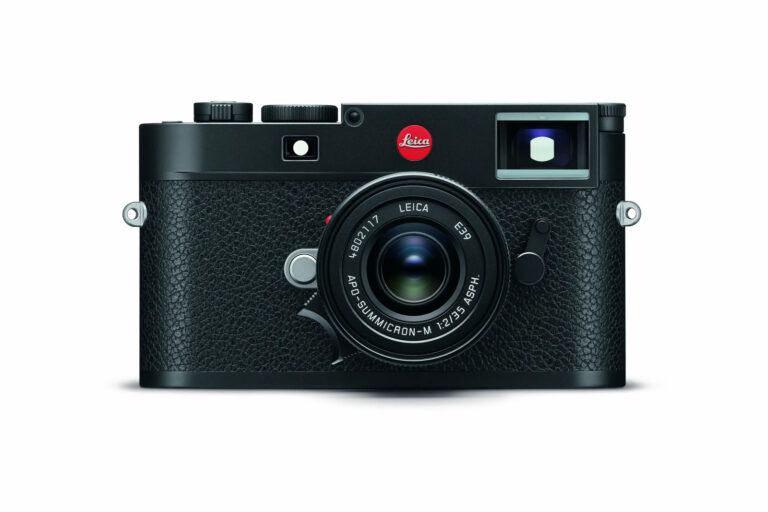
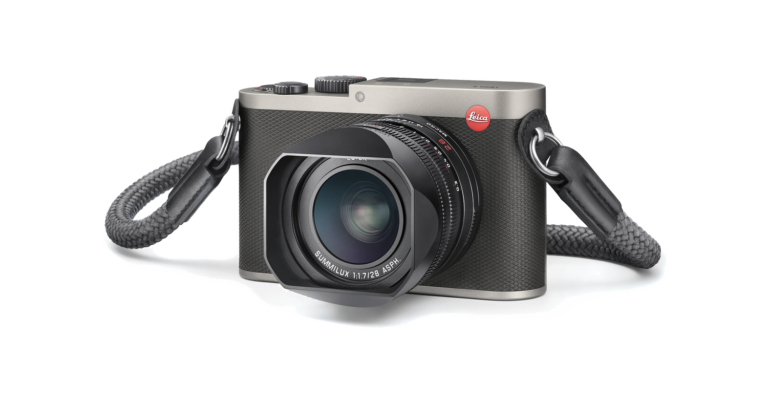
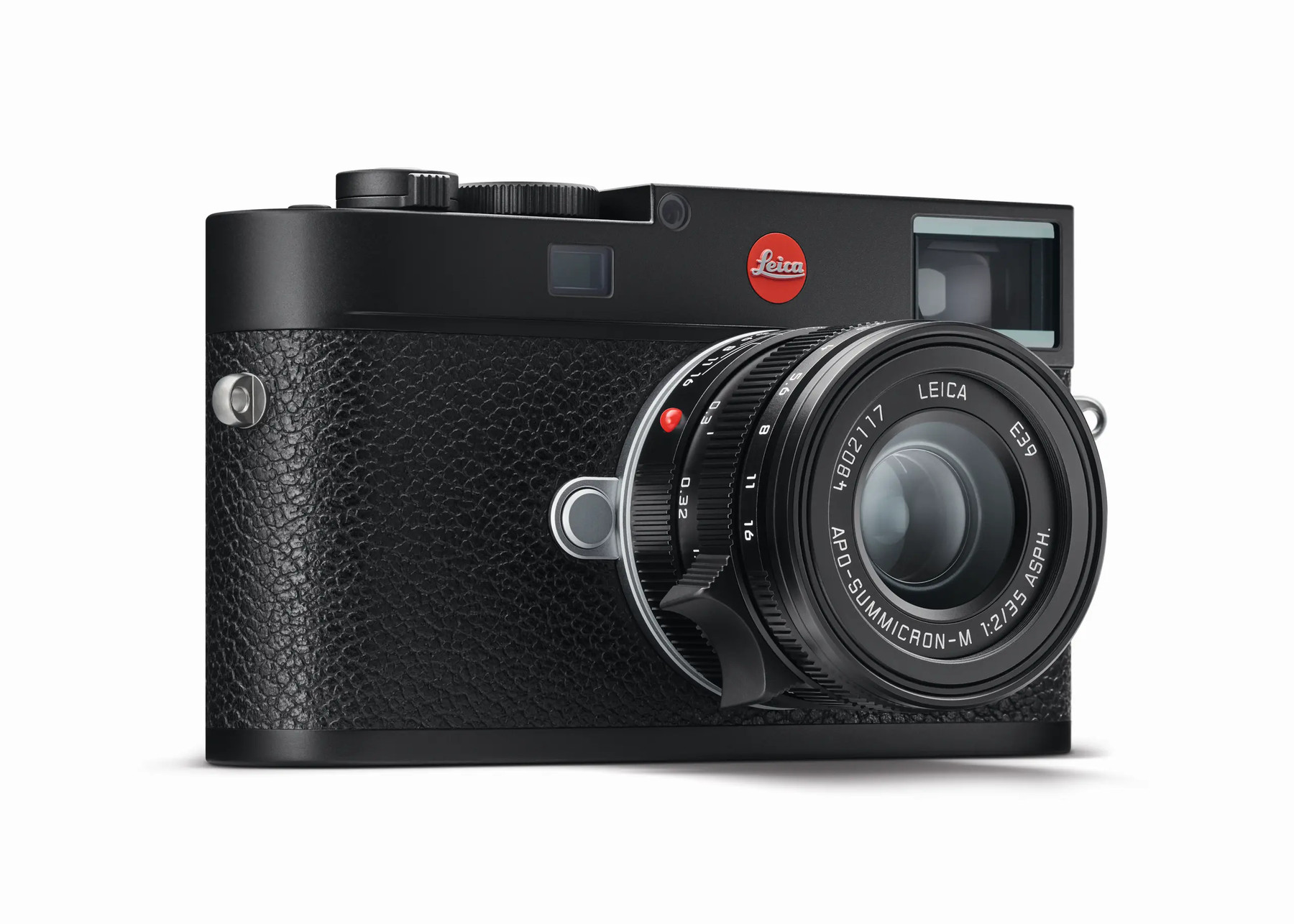
This is where I would begin with the Leica M11 and Leica Q3. Both offer approximately sixty megapixels, but the number does very little to explain the difference between them. The M11 is a manual-focus camera with interchangeable lenses and an optical rangefinder. The standard colour Q3 combines a fixed 28mm f/1.7 lens, autofocus and an electronic viewfinder. Those choices enter almost every photograph you make. 1, 2
In my earlier M tutorial, I described the experience as “photography in slow motion.” The point was to pay attention to composition, light and the moment. I still find that a useful way of thinking. But slowing down is something a photographer can do with any camera. Buying an M does not supply the judgement, and using autofocus does not remove it. 3
I am also reluctant to treat the Q as an introductory Leica that you are supposed to outgrow. A fixed lens can be a deliberate decision by an experienced photographer. It can simplify a day. Equally, an M with one small lens can be a very uncomplicated camera if manual focusing is already comfortable for you.
The question is what each one makes easier, and what it asks you to accept. With the Q3, you accept 28mm as your starting point. With the M11, you accept responsibility for focus and for building a lens kit that makes sense. You should enjoy the central decision of the camera you buy, rather than spend the next year working around it.
Here I am comparing the original colour M11 with the 28mm colour Q3. The Q3 43 and M EV1 deserve brief mention where they change the choice. This is a practical buying discussion based on their documented operation, my published approach to photography and the questions I would ask a buyer. The archive photographs illustrate composition and lens choices; they are identified by their actual equipment.
The M11: looking through the finder and doing the focusing
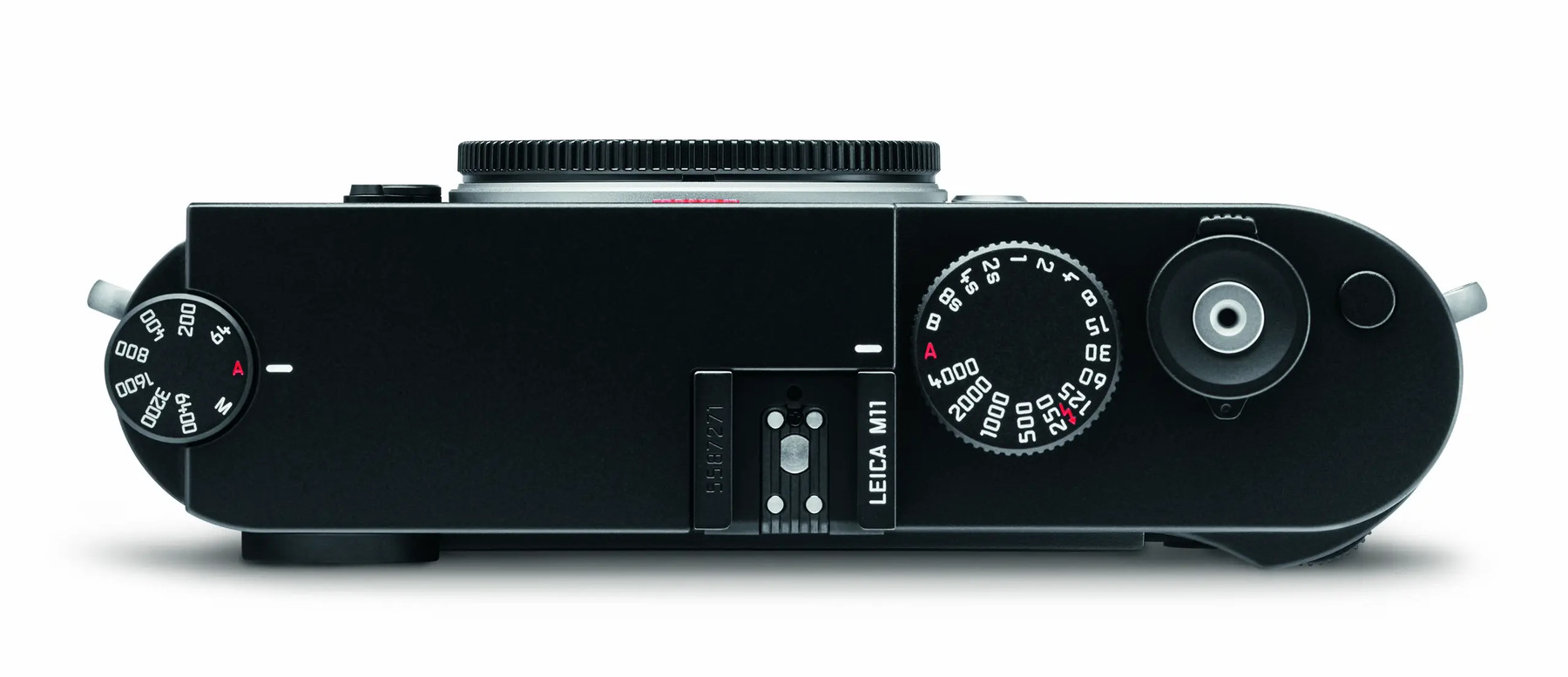
An optical rangefinder gives you a particular relationship with the scene. You look through a separate viewing window, with bright lines indicating the approximate picture area. Depending on the lens and how comfortably you can see the finder, you may also see what is happening outside those lines. That can help you anticipate someone entering the photograph. It does not mean the camera has decided where your attention belongs.
The M11 finder has 0.73x magnification and paired frames for 28/90mm, 35/135mm and 50/75mm. The focusing patch stays in the centre. Turn the lens until the overlapping images agree, then compose. If you have never used an M, try that with your own glasses and the focal length you intend to buy. A specification cannot tell you whether the edges and focusing patch are comfortable for your eyes. 1, 4
There is no through-the-lens preview of background blur in that optical window. The finder remains a view of the world, while the taking lens and aperture determine what the sensor records. The frame lines compensate for parallax as focus changes, but they are not a pixel-exact outline at every distance. Close compositions deserve some room around a critical edge, or a check in Live View. 4
I find the discipline interesting because it makes you decide. Where must the plane of focus fall? Is the aperture wide enough to separate the person, but small enough to keep the important parts of the face sharp? Are you waiting for an expression, or are you still solving the camera? These are photographic questions before they are equipment questions.
There is also a practical limit to romanticising the process. With a close subject and a very wide aperture, a small change in distance matters. A person can lean forward after you focus. You can move while recomposing. Sixty megapixels may show the error clearly when you inspect the file. The answer is appropriate technique, including refocusing when necessary, rather than assuming an expensive lens must have delivered a sharp eye.
For a predictable scene, you can focus in advance. Choose a distance and aperture that cover the area where you expect the action, then wait. This can be a fluent way of working, but depth-of-field markings are guides to acceptable sharpness under particular viewing assumptions. They do not promise perfect sharpness across a large print or every pixel at maximum magnification.
I would therefore try the M with a nearby face, an approaching person and a quiet scene before buying. If the focusing ring becomes part of how you notice things, that is a strong reason to choose it. If it repeatedly interrupts your conversation with the subject, listen to that experience too. Enjoyment is a legitimate consideration; frustration is useful information.
The Q3: autofocus leaves different decisions in your hands
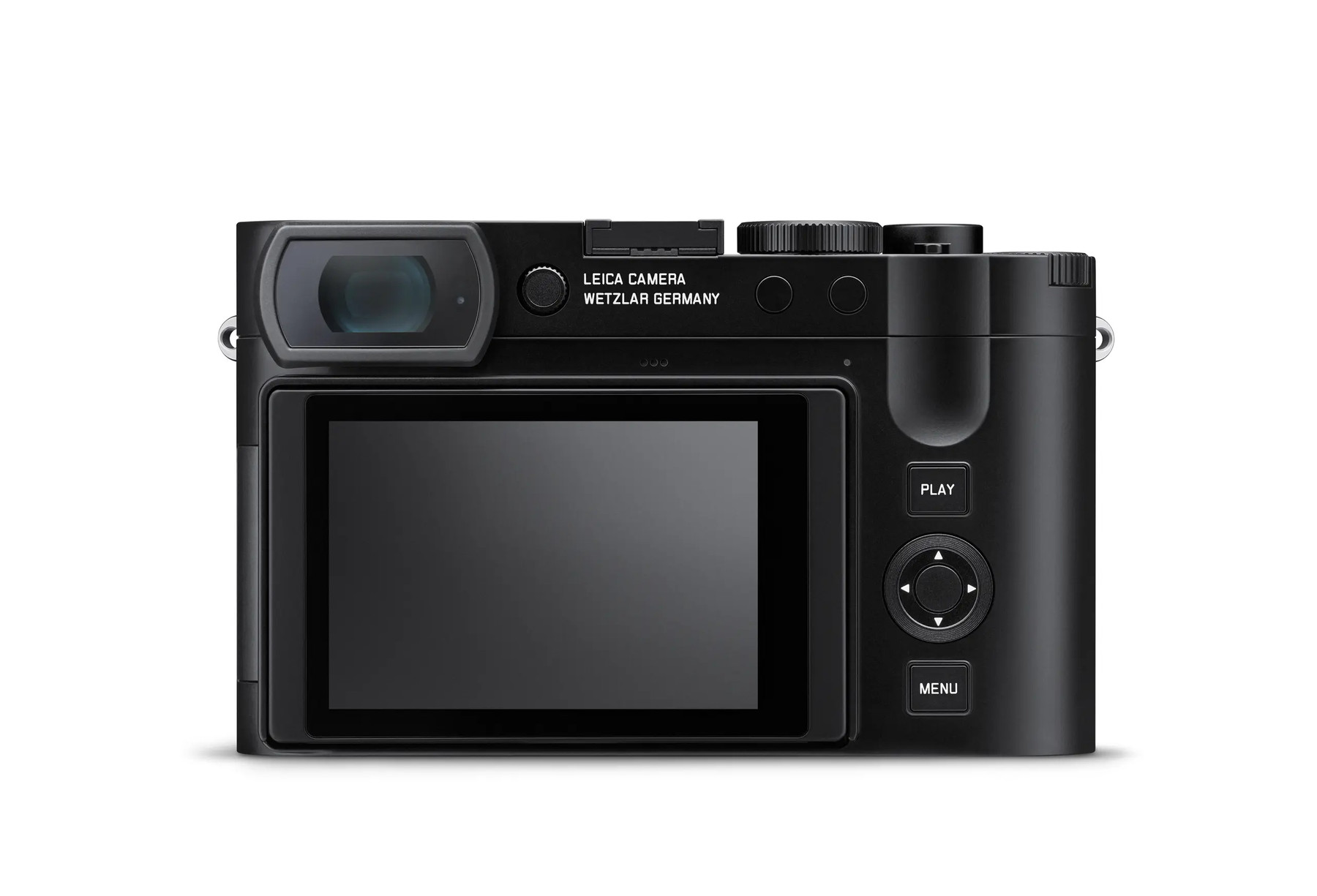
The Q3 changes the sequence. You can choose a point in the frame, use a suitable autofocus mode and concentrate on the arrangement in front of you. Leica provides single and continuous autofocus, tracking and subject-detection options. Those are useful tools. Their existence does not establish a perfect success rate with a moving person. 5
What interests me is the attention they can free. When somebody is speaking, an expression often changes before you have finished thinking about it. If you are not fluent with a rangefinder, autofocus may help you stay involved with that person. You still choose the position, the light, the framing and the moment. There is plenty of work left for the photographer.
You also have to tell autofocus what matters. A frame may contain two people at different distances, a bright object in the foreground and a face partly hidden by a hand. A detection box is not a statement about the meaning of the photograph. Look at where the camera has focused. If it has chosen the wrong person, change your selection rather than hoping the camera will understand your intention.
The electronic viewfinder shows an image produced through the camera’s imaging system. That gives you a useful view of framing and the effects of many settings before capture. The Q3 has a 5.76-million-dot finder with a listed 100 percent frame coverage. Unlike the M’s separate optical window, you are looking at the picture the lens is delivering to the sensor. 2
Still, I would be careful with the expression “what you see is what you get.” Exposure preview has conditions. Manual-exposure settings, Auto ISO and very bright or dark situations can affect what is displayed; long exposures can differ from the preview. The finished raw file also depends on how you develop it. Use the finder, histogram and playback as information, not as a promise that every part of the final photograph is already visible. 5
You can manually focus the Q3 as well. Buying it does not mean surrendering that choice. The difference is that manual focus is optional in a system designed to offer autofocus, while the M11 asks you to focus manually throughout. That distinction matters more than a debate about which process is more authentic.
Try the Q3 in the sort of light in which you actually photograph. Move from a bright window to the room behind it. Ask a companion to move closer, then turn away. Notice how readily you can place focus, adjust exposure and see the composition. The useful test is whether the controls let you remain attentive. A camera should not occupy all of your attention while the photograph happens elsewhere.
The lens is a larger decision than the megapixels
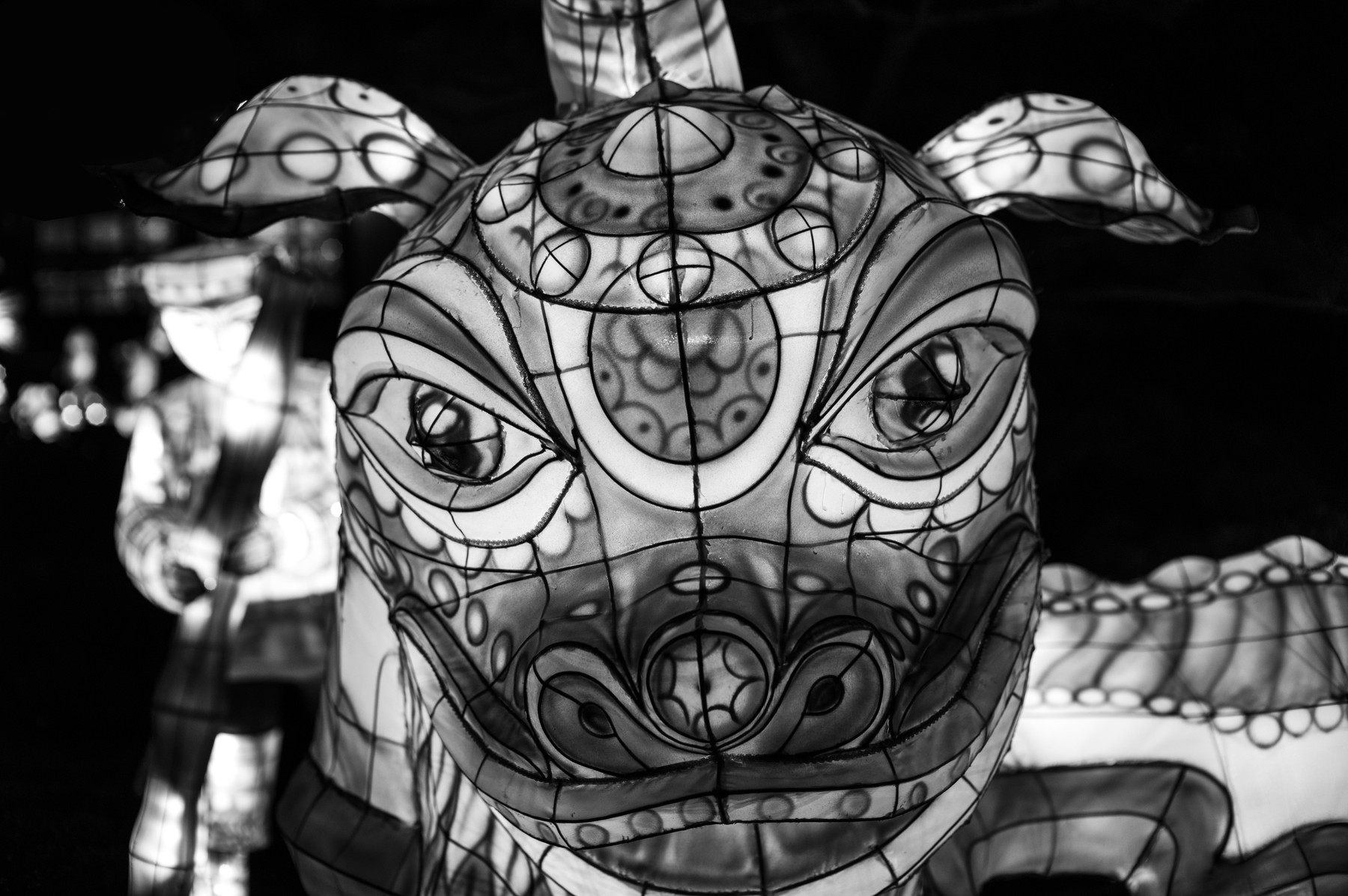
My reservation about 28mm is that it often includes more surroundings than I want. When I am interested in a face or a small exchange between people, I may want a tighter beginning. Someone making environmental portraits or working in a crowded room may value precisely the width that I am trying to reduce. We are asking for different photographs.
The Q3 gives you a fixed Summilux 28mm f/1.7. The M11 lets you choose a 28mm, 35mm, 50mm or another compatible M lens. It also lets you choose the character and aperture of that lens. A small 50mm f/2 and a large, very fast 50mm are different commitments in weight, focus demands and rendering, even though both say 50mm on the barrel. 1, 2
If you already know that most of your photographs want a 50mm view, take that seriously. Cropping the Q3 is useful, but it should not become a permanent excuse for buying a focal length you dislike. A nominal 50mm-equivalent crop from its 60.3-megapixel 28mm frame retains about 19 megapixels: 60.3 × (28 ÷ 50)². That can be enough for many outputs, but it is a different use of the available pixels.
Cropping does not turn the lens into a 50mm lens. From the same camera position, it selects a smaller part of the image and preserves the perspective relationships. Walking closer to fill the frame changes those relationships. The choice affects the space between you and a person, the apparent relationship of the background to that person, and the way the conversation feels while you are photographing.
Nor does a wide lens mean everything must remain sharp. A nearby subject, a wide aperture and a distant background can produce visible separation with 28mm. The more useful question is whether you like the combination of subject distance, field of view and background that gets you there. I would rather choose that combination intentionally than reduce the discussion to how much blur a camera can produce.
The Q3 43 offers a relevant alternative: a fixed 43mm f/2 APO-Summicron with the Q approach to autofocus and electronic viewing. It is a narrower starting point, although it remains a fixed lens. I discuss that choice in the Q3 family guide. 6
The M’s advantage is the freedom to change your optical approach. Its temptation is to keep buying ways of doing so. Before assembling a collection, I would begin with one lens that fits the photographs you already care about. Freedom becomes useful when you know what you want it for.
What actually goes into your bag?

A body-only weight comparison can give a misleading impression. The Q3’s lens is already attached. The M11 needs one before it can make a photograph. Compare the working cameras, then add the things you genuinely carry: strap, hood, spare battery, perhaps a grip, and the second lens that seemed too useful to leave behind.
Leica specifies approximately 530g with battery for the original black M11 with its aluminium top, and 640g for the original silver version. The standard black Summicron-M 50mm f/2, order number 11826, is approximately 240g. That gives the following nominal comparison. The Q3 figure includes its fixed lens; accessory conventions are not fully specified, so treat these as a starting point. 1, 2, 7
| Working camera | What is counted | Approx. weight |
|---|---|---|
| Original black M11 + 50mm Summicron | Battery, body, 240g lens | 770g |
| Original silver M11 + 50mm Summicron | Battery, body, 240g lens | 880g |
| Q3 with fixed 28mm lens | Camera and battery | 743g |
The first combination is only about 27g above the Q3 on these figures. That is a useful correction to the idea that the Q must always be dramatically lighter. It is not a claim that a 50mm kit and a 28mm camera make equivalent pictures. It shows how much the chosen M lens matters. Do not apply the original black body’s figure automatically to the later glossy black brass-top version.
Shape matters as well. A camera can have a reasonable weight and still be awkward in the bag you use. The lens projects forward, a hood adds space, and an external finder changes the outline. Try the complete arrangement on a strap. Pick it up with one hand, put it away and take it out again. These ordinary actions become part of every day with the camera.
The same logic applies to money. Get a current local quote for the complete M kit and for the Q, including whatever you genuinely need. Taxes, condition and new-versus-used choices make remembered price differences unreliable. If you already own a suitable M lens, the additional purchase is different from starting with an empty bag. If you need two lenses and a finder, count them now.
I made this complete-kit argument in my older Q and M10 comparison. The models and prices have changed, but the habit remains useful. A camera that seems sensible on its own can become an expensive system once you add the equipment needed for your photographs. 8
I would rather carry one combination I understand than several that make me hesitate. An M can be that one combination. So can a Q. The bag should serve the day, not become the main subject of it.
The small photographs that expose a practical difference
Think about the photographs that happen between the photographs you planned. A detail on a table, a plate of food, a flower, a handwritten note, the texture of a doorway. They are ordinary subjects, but they reveal a substantial difference between these systems. How easily can you move from a street scene to something close?
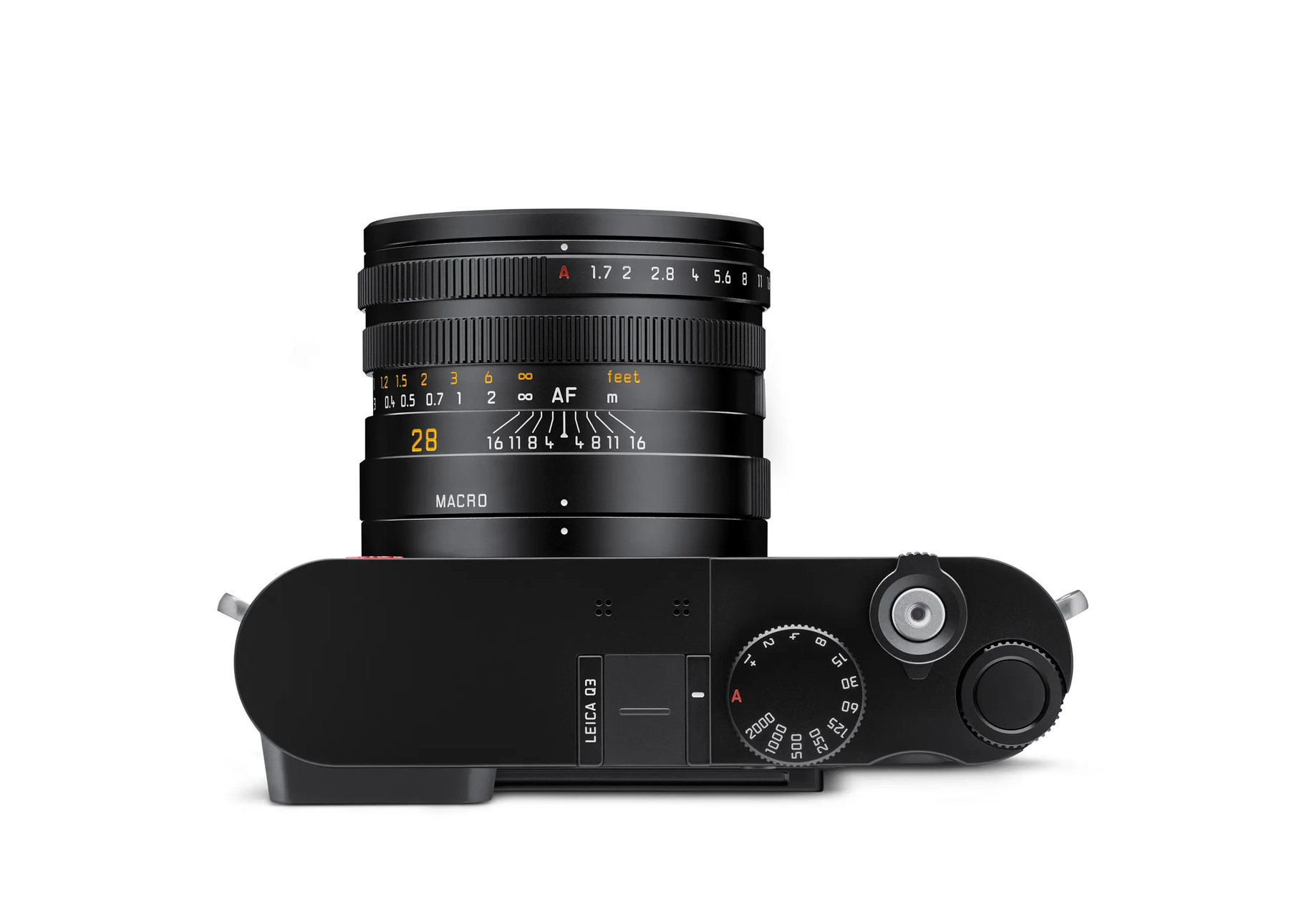
The 28mm Q3 focuses from 30cm to infinity in its normal range. Turning the macro ring selects a 17–30cm range, with autofocus or manual focus available. These are focusing distances, not a promise of that much space in front of the lens. For a traveller who likes details, this is useful flexibility already built into the camera. 5
The standard 50mm Summicron in our M11 example focuses to 0.7 metres. That is comfortable for many photographs, but it is a different starting point for a small object. Some newer M lenses focus closer than the rangefinder’s usual coupled limit. Their close range calls for sensor-based viewing, such as the rear screen or an electronic finder, rather than assuming the optical focusing patch continues to tell the whole story. Check the particular lens. 4, 7, 19
This is why I would avoid a general statement that an M cannot photograph close subjects. It can, with an appropriate lens and method. The question is how much equipment and adjustment that photograph requires. The Q3 offers a convenient transition; the M offers options whose convenience depends on what you have mounted and how you are viewing.
The Q3’s tilting screen is another practical benefit. It can help with a low viewpoint or a composition made above eye level. I like the idea of choosing a camera position because it improves the photograph, rather than because it is the easiest height for my eye. The M11’s rear screen is fixed, although the optional Visoflex 2 provides a tilting viewing alternative. 1, 9
The Q3 also has optical image stabilisation in its lens. That can help with camera movement when you work handheld. It cannot stop the person in front of you from moving. A quiet interior and a child crossing the room may need very different shutter speeds, even if the light is identical. Neither the lens aperture nor stabilisation removes that decision. 10
I would test these small situations before choosing. Photograph an object at a comfortable distance, then try the framing you actually wanted. Make a low photograph without kneeling if that matters to you. See whether the lens and screen cooperate. These are less glamorous considerations than a sensor announcement, but they can decide whether you feel comfortable using the camera throughout the day.
An electronic finder changes an M, but does not make it a Q
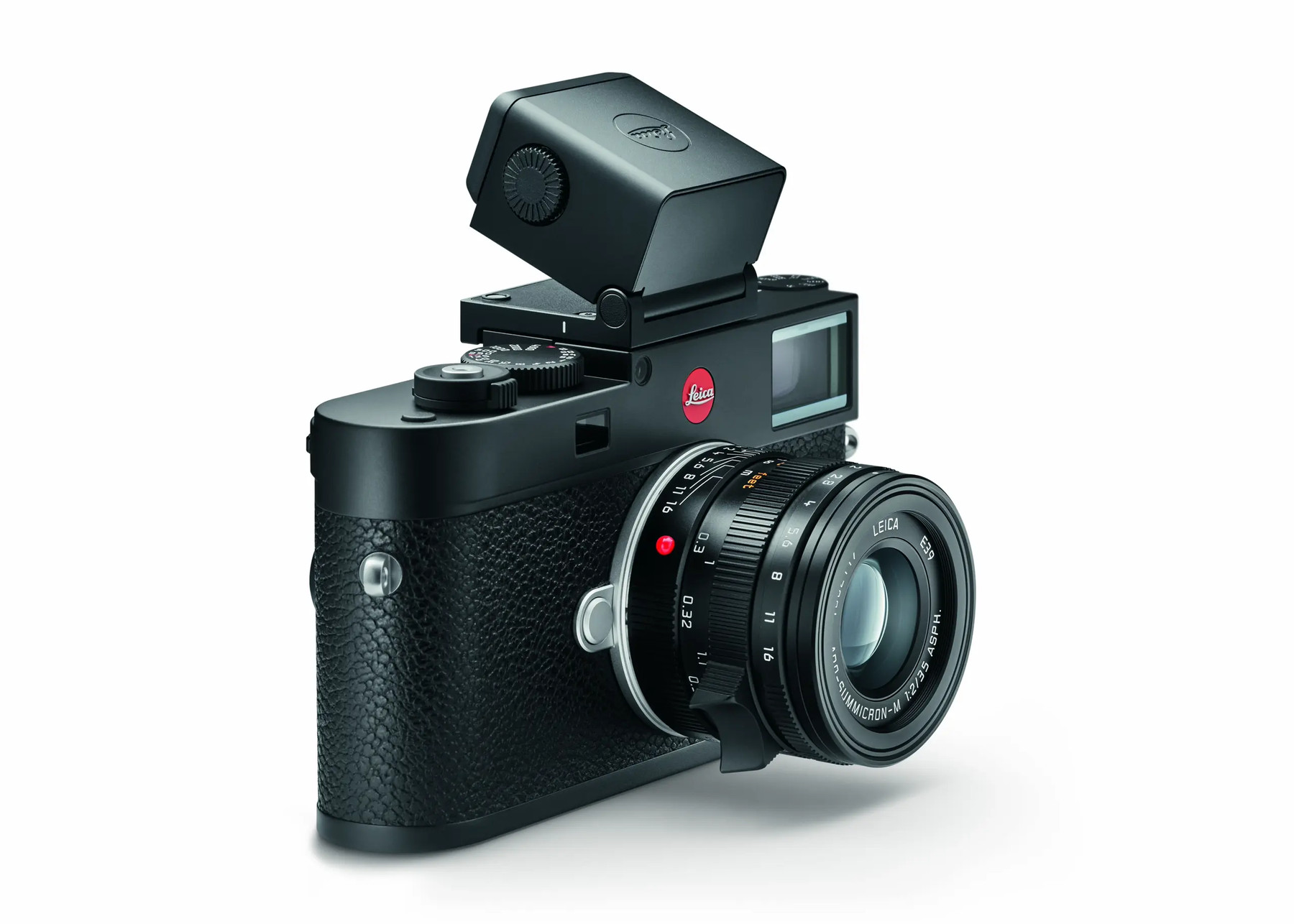
There is a middle ground for the photographer who likes M lenses but wants to judge focus through the imaging sensor. The M11 offers Live View on its rear screen, with magnification and focus peaking. The optional Visoflex 2 brings electronic viewing to the eye and can tilt upward. It is still manual focusing, but you can examine the part of the image that matters rather than relying only on the central rangefinder patch. 4, 9
For a close portrait with a wide aperture, that can be a meaningful aid. Magnify the eye, adjust focus, return to the whole composition and check that the subject has not moved. Peaking can help show areas of contrast, but I would use magnification when a small focus difference decides the photograph. A coloured outline alone is not my final judgement of sharpness.
There is a physical price to this option. The Visoflex 2 adds approximately 93g, occupies the accessory shoe and changes the camera’s height. It may be exactly the accessory you want, but include it in the kit comparison. A feature available through an extra purchase is not the same carrying arrangement as a finder already built into the Q3. 9
The M EV1 is another relevant possibility in the current range. It combines an integrated electronic finder with M lenses and manual focus. Its existence means we should no longer speak as if every M camera necessarily uses an optical rangefinder. If the lenses appeal to you but the rangefinder does not, that is a separate camera worth considering. It does not add autofocus to your M lenses. 11
Video is a simpler dividing line. The M11 does not provide a video-recording mode; the Q3 does, with recording options up to 8K. The modes, frame rates, codecs and output settings have their own limits. The useful point for this comparison is that the Q can make a short moving record as well as still photographs. Decide whether that matters before dismissing it as an unnecessary feature. 2, 4
I would also keep shutter behaviour in the practical discussion. An electronic shutter can be useful, but moving subjects, camera movement and some artificial lighting can introduce distortion or banding. Quiet operation is not the only consideration when choosing a shutter setting. Leica’s manuals describe these limitations; check the actual result in the conditions you use. 4, 5
The M11 has no in-body image stabilisation. Its electronic assistance for a steadier Live View display should not be confused with stabilising the recorded photograph. That is an easy distinction to miss when reading a feature list. 12
Every addition should solve a problem you recognise. If you build an M kit around electronic viewing, close focusing and a second camera for video, compare that complete arrangement with the simpler alternatives before buying.
Sixty megapixels, Sony sensors and the colour of the finished photograph
We should be direct about the sensor question. In a published March 2026 interview with Leica managers Stefan Daniel and Nico Köhler, Macfilos reports that the M11, Q3 and SL3 platforms use Sony sensor technology. That supports identifying the M11 and Q3 with Sony sourcing at platform level. It does not establish that every sensor, filter stack and processing decision is identical. 13
My concern about a recognisable Leica look remains. If different manufacturers begin with closely related sensor technology, I would expect some similarities in what their files can deliver. I would not assume a Leica photograph becomes visually distinct simply because the body costs more. But shared sourcing does not prove that any particular Nikon, Sony and Leica camera will produce identical colour. You need to compare the actual cameras, lenses, settings and finished files.
Leica describes specific colour-filter and UV/IR-filter work for the M11. White balance, exposure, the lens, the raw profile and the adjustments you make also contribute to the result. A raw file is material for development; it is not a single finished colour interpretation waiting to be revealed. This is why comparing unrelated internet photographs tells us less than we often imagine. 14, 15
Leica’s April 2026 announcement with Gpixel concerns a sensor being developed for future products. It is relevant to the direction of the company. It is not evidence that an existing M11 or Q3 has quietly acquired a different manufacturer’s sensor, or proof that dissatisfaction with Sony’s colour drove the partnership. We should keep an announced development separate from the camera somebody can buy today. 16
Both cameras offer full-frame capture at approximately 60, 36 or 18 megapixels. For a photographer coming from the original 24-megapixel M10 or M (Typ 240), sixty provides more room for cropping or a demanding large output. It does not supply more compelling light, a better expression or correct focus. Compare finished images at the same size before deciding how much the difference matters to your work. The broader upgrade question is covered in the M11 buyer’s guide. 1, 2, 17, 18
The Q3 can record a selected digital crop while retaining the selected-resolution full image in DNG, allowing compatible software to reset that crop. A cropped JPEG discards the surrounding picture. A reduced-resolution DNG does not secretly contain sixty megapixels, so choose your recording settings deliberately. 5
There is also a practical storage difference. The original M11 provides 64GB of internal image storage alongside its SD slot. The Q3 records photographs to its SD card; its quoted 8GB is buffer memory, not an internal picture drive. 1, 2
Whatever you choose, build a simple habit: import, check and back up before formatting the card. Keep your colour judgement consistent across cameras. The file should support the photograph you intended, rather than become an endless search for a brand signature that every image is supposed to contain.
Whichever camera you choose, the finish should belong to the photograph. The Leica Lightroom presets give you different directions to explore on your own files. Use the first result as a starting point, then let the light and the subject guide the final adjustments.
How I would choose for travel, people and an unhurried walk
For travel, I would begin with the focal length. If 28mm naturally suits how you describe a place, the Q3 brings a useful set of capabilities in one camera: autofocus, close focusing, electronic viewing, a tilting screen and video when you need it. You can walk out without deciding which lens to mount. That simplicity has value when the rest of the day already contains enough decisions.
If you usually want to isolate a person or work from a little farther away, I would look at the Q3 43 or an M with a suitable lens. I would not buy a 28mm camera simply because other photographers call it ideal for travel. A city does not oblige everyone to see it at the same focal length. Your photographs should have a point of view beyond the width of the street.
For people, I would ask how the subject behaves and how you work with them. An adult sitting for a quiet portrait gives you different opportunities from a child moving between chairs. An experienced rangefinder photographer may anticipate movement very well. Someone learning that method may find autofocus more helpful. I would make the choice from an honest account of my own fluency, rather than the photographer I hope the purchase will make me.
For an unhurried walk, an M with one lens can be a pleasure precisely because the process is engaging. You notice a relationship, choose a position, focus and wait. That is the kind of attention I was encouraging in my earlier tutorial. You can choose to bring the same patience to a Q: select single-shot operation, consider the frame and stop treating the next exposure as a substitute for a decision. 3
Here is an exercise I would suggest before spending money. Use one focal length for a walk and make a small, deliberate selection of photographs. Include a person, a wider scene, a close detail and something moving. Decide what each photograph needs before you raise the camera. Then review the results at a normal viewing size as well as checking the focus where it matters.
Ask what prevented you from making the picture. Was the lens too wide? Did focusing take your attention away? Did you need to get closer? Was the camera uncomfortable to carry? Or was the frame simply unresolved? The first questions may point toward a different camera or lens. The last asks for more time looking, which neither purchase can supply.
I would also keep a camera I already enjoy in this comparison. If your M10 or M240 makes the photographs you want and the files meet your output needs, you are allowed to be satisfied. A new camera earns its place by giving you a useful capability or a pleasure you will actually use. It does not earn it merely by being the latest object in the shop window.
Buy the method you will enjoy using
The M11 makes sense to me when you want the M method itself: manual focus, a direct optical view and the ability to choose a particular lens for the way you see. You can add electronic viewing when it helps. Its value is strongest when those choices are reasons you want the camera, rather than obstacles you intend to tolerate.
The 28mm Q3 makes sense when you want that wide view and appreciate how much is already in one package. Autofocus, close focusing and the tilting screen can remove practical interruptions. You still have to decide what the photograph is about. A simpler camera arrangement leaves you with the same responsibility for the picture.
If you dislike 28mm, resolve that before buying the Q3. If you dislike rangefinder focusing, resolve that before buying the M11. The Q3 43 and M EV1 show that there are other combinations of lens choice and viewing method. You do not have to force your preferences into an argument between only two boxes.
My advice is to take the exact camera-and-lens combination outside if you can arrange it. Make the ordinary photographs that matter to you, inspect them and notice how the process felt. Spend more attention on the pictures you wanted but could not make than on the number of features you used.
I want to enjoy using a camera enough to take it out again tomorrow. For you, that pleasure may come from turning the focusing ring on an M lens. It may come from the ease of lifting a Q and staying involved in the moment. Choose what suits you, then give your attention to the light, the person and the photograph.
Sources and photograph notes
Specifications and documents checked 25 November 2026. This is a buying analysis, not a new controlled camera test. Five product photographs are supplied by Leica Camera AG for editorial use. Four photographs come from Oz Yilmaz’s published archive, with the original equipment stated in each caption; they are illustrative, not M11/Q3 comparison samples.
- Leica M11 technical data — original body variants, files, finder and storage.
- Leica Q3 technical data — fixed lens, weight, EVF, files and video.
- Oz Yilmaz’s 2018 M tutorial — the earlier photographic approach.
- Leica M11 instruction manual — rangefinder, Live View and shutter operation.
- Leica Q3 instruction manual — focusing, preview, close range and crop recording.
- Leica Q3 43 technical data — the alternative fixed 43mm lens.
- Summicron-M 50 f/2 technical data — standard black lens, order 11826.
- Oz Yilmaz’s 2017 Q/M10 comparison — historical complete-kit discussion.
- Leica Visoflex 2 technical data — electronic viewing, tilt and weight.
- Leica Q system — optical lens stabilisation and screen design.
- Leica M EV1 technical data — integrated EVF and manual focus.
- Leica’s M11 launch FAQ, dealer reproduction — Live View versus image stabilisation.
- Macfilos interview with Leica management — Sony platform sourcing, March 2026.
- Leica M11 launch announcement — sensor/filter design.
- Adobe: Understanding Digital Raw Capture — raw interpretation and colour.
- Leica and Gpixel announcement — future sensor development, April 2026.
- Original Leica M10 technical data — the 24-megapixel 2017 model.
- Leica M (Typ 240) instruction manual — original model, resolution on printed page 250.
- Leica’s 2023 Summilux-M 50 f/1.4 ASPH. announcement — a documented closer-focusing M lens and its viewing requirements.
Continue exploring