
In this article
- Before we talk about cameras, what do you want to photograph?
- Why 43mm, and why not a 50mm Q?
- Does 43mm really see like the human eye?
- The background: what changes, and what does not
- What sixty megapixels gives you in everyday photography
- The colour I remember, and the colour of the current generation
- Sony, Leica and the question of a distinctive look
- The Monochrom is an artistic commitment
- The camera you will actually take with you
- Which Q would I recommend?
Before we talk about cameras, what do you want to photograph?
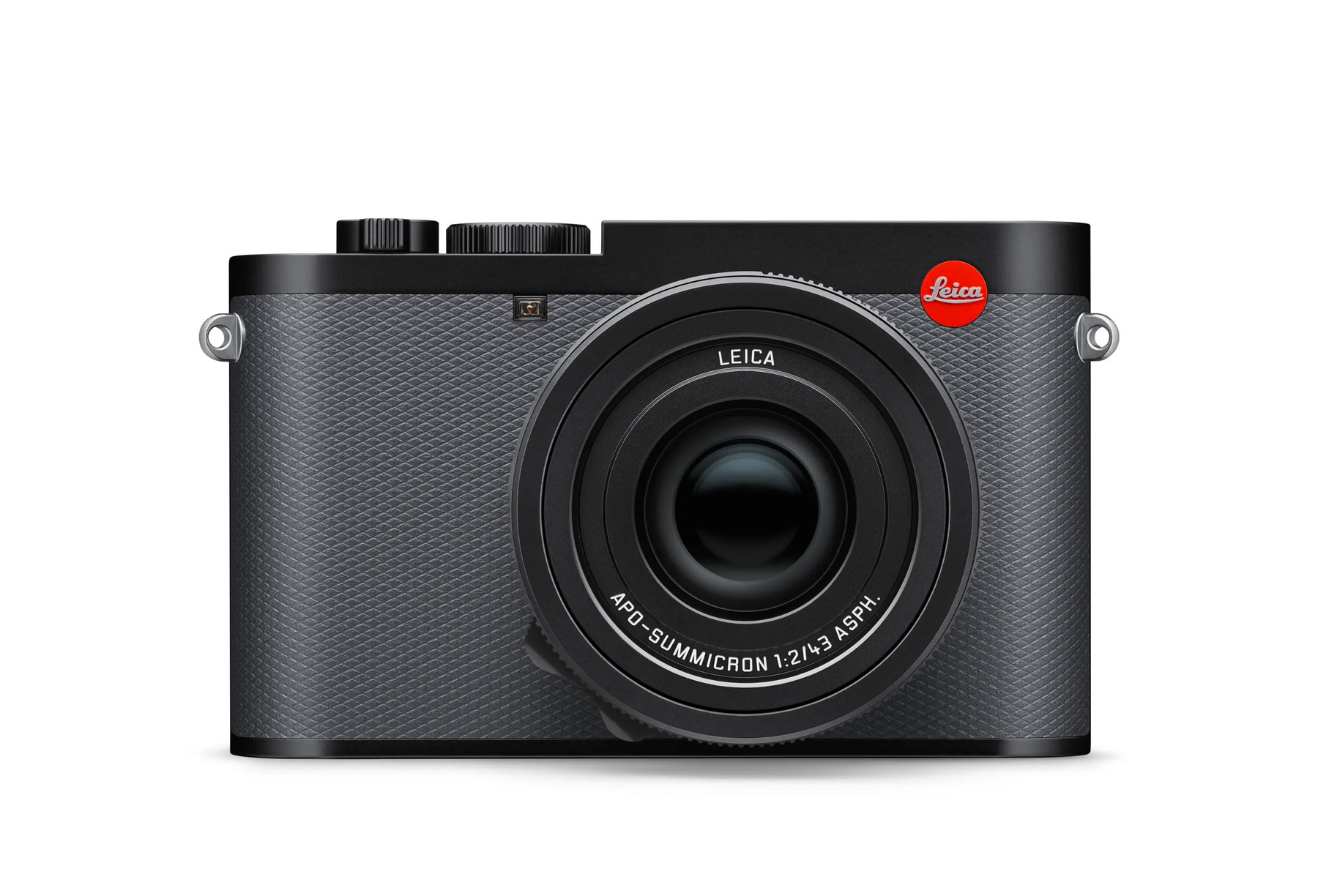
I have a problem with 28mm. Quite often, it puts more into the photograph than I want. I may be interested in a person, the expression on a face, or a small exchange between two people. The lens invites the rest of the street into the conversation, and then I have to decide what to do with it.
For another photographer, that is precisely the attraction. At a protest, for example, the people around your subject and the space they occupy may explain everything. Remove those relationships and you can remove the meaning of the photograph. So my objection to 28mm is a preference about how I want to compose. It is not a verdict on everyone else’s photography.
This is why the Leica Q3 43 deserves a discussion of its own. It addresses a different way of seeing. The standard Q3 has a 28mm f/1.7 Summilux; the Q3 43 has a 43mm f/2 APO-Summicron. The Q3 Monochrom returns to 28mm and gives up colour capture. All three use a full-frame sensor with approximately 60 megapixels. Those few facts explain the fundamental choices more clearly than a long list of menu functions. 1
I see three different invitations here. The Q3 asks you to work with your surroundings. The Q3 43 gives you a tighter starting point and makes it easier to concentrate attention. The Monochrom asks you to commit to light, tone and shape before you press the shutter. These are ways of approaching a photograph, and they overlap. Nobody needs permission to make a portrait with 28mm or a documentary photograph with 43mm.
What concerns me is buying the wrong invitation. A photographer who constantly wants a 50mm view may spend years making excuses for a fixed 28mm lens. Someone who loves colour may enjoy a Monochrom for a weekend and regret its restriction when a particular scene depends on a red coat or the warmth of evening light.
Then there is the question that follows nearly every expensive Leica purchase: what, exactly, are we paying for? The lens, the handling, the pleasure of using it, the photographs, or an expectation about a Leica look?
Let’s look at those questions properly. I want you to understand the compromises before spending your money. My starting point is simple: a camera should make the photographs you want to make easier to achieve, and it should be something you are willing to take with you.
Why 43mm, and why not a 50mm Q?
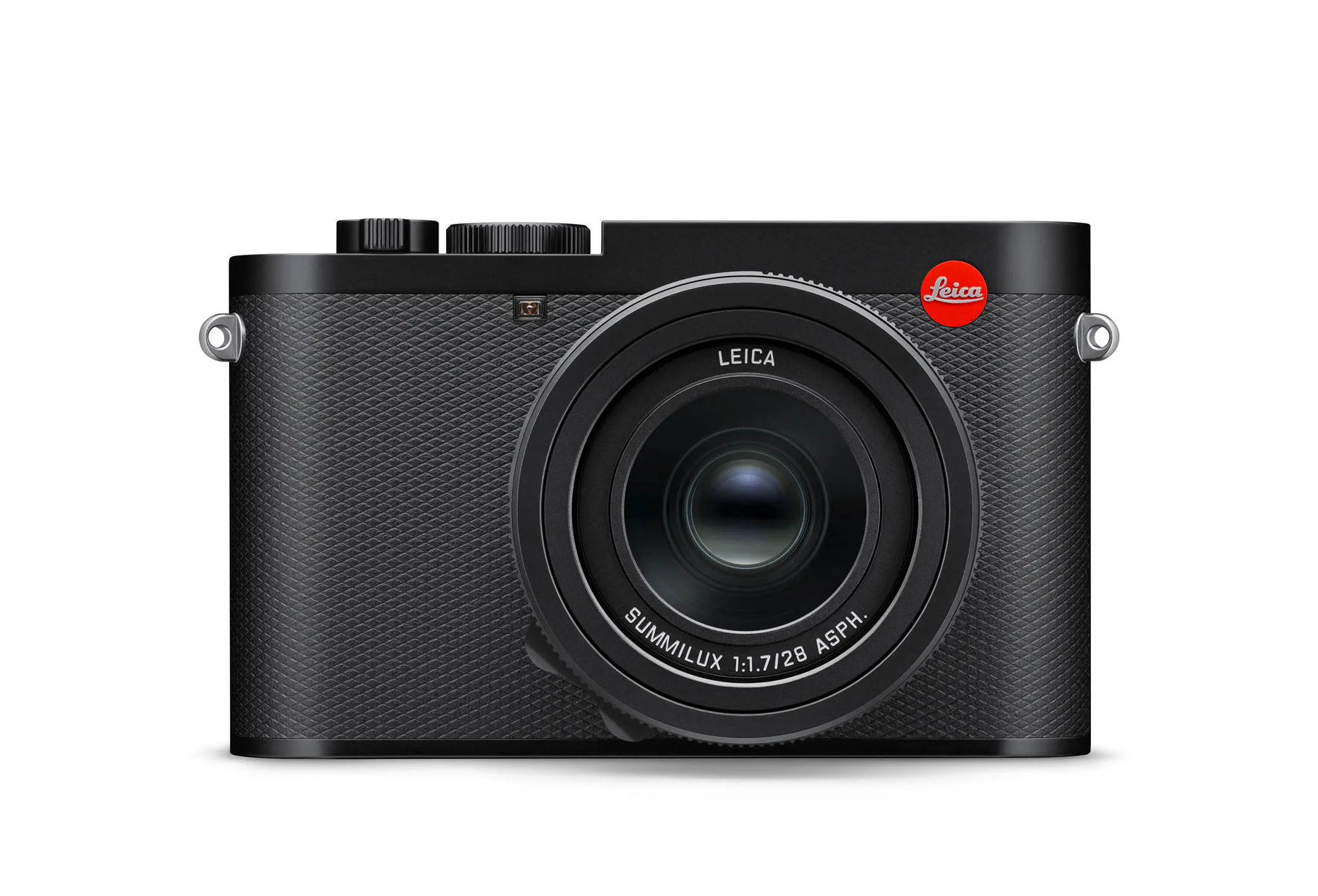
The Q3 43 is much closer to the sort of framing I find useful when I want the photograph to be about a person. It leaves some room around the subject, but it does not insist on showing as much of the surroundings as 28mm. That is a meaningful change. Calling it merely another Q colour or another variation on the same idea misses the point.
But I still find the number interesting. Why 43? Why stop just short of the familiar 50mm lens that so many photographers associate with an M camera?
My reading is that a 50mm Q would put considerable pressure on part of the M system. Imagine an autofocus Leica with a good fixed 50mm lens, a screen, an electronic viewfinder and a complete package that asks you to buy nothing else. For the person whose M spends most of its time wearing a 50mm lens, that could be a very persuasive alternative. I suspect product separation was attractive to Leica. The 43mm choice gives the Q its own territory while speaking to photographers who wanted something closer to a normal lens.
That is my interpretation of the range, not a confirmed account of a Leica boardroom decision. There is a documented explanation, and it deserves to be heard. In Leica’s own interview with optical-development head Dietmar Stuible, the reasoning includes a clear change from 28mm, a little more field of view than 50mm, keeping the lens compact, and the optical advantages of the chosen focal length. He does not present it as a plan to protect M sales. 2
Both discussions are useful: what makes sense to an optical designer, and where a product sits in a manufacturer’s catalogue. One does not prove the other. Nor would a 50mm Q make every M photographer abandon the system. An M owner can change lenses, choose a much faster 50mm, and prefer the manual rangefinder experience itself. A fixed-lens Q cannot offer that same collection of choices.
As a buyer, however, I would spend less time defending 43mm as an inspired number and more time asking whether its framing suits me. At the same position, 43mm includes a little more of the scene than 50mm. That can be welcome in a room or across a table. If you habitually compose tightly, you may still prefer 50mm.
There is no embarrassment in either answer. A focal length earns its place through the photographs you make with it. It does not need a romantic explanation to be useful.
Does 43mm really see like the human eye?
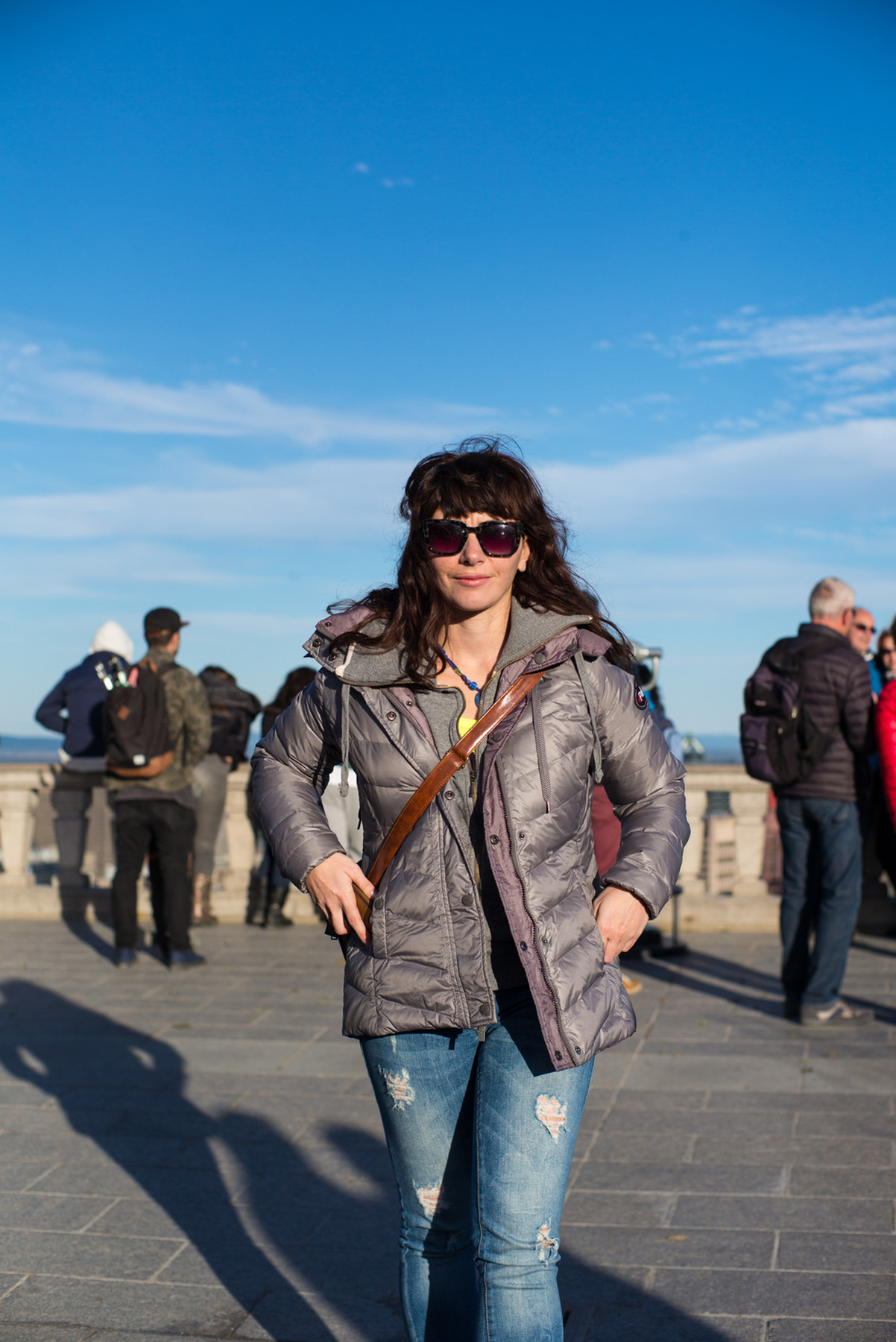
I am unconvinced by the suggestion that the human eye can be reduced to a 43mm lens. Look ahead for a moment. You can be aware of something well to the side while your attention stays on the person in front of you. Then your eyes move, your attention changes, and you notice a detail. The experience is much richer than looking through a fixed rectangular frame.
There is a sensible photographic explanation for 43mm. The diagonal of a nominal 36 by 24mm full-frame sensor is about 43.3mm. A focal length close to the format diagonal is conventionally described as normal. It is a relationship between a lens and an image format. It is not a measurement showing that the complete human visual field equals the camera’s field of view. Leica describes the Q3 43 in terms of natural perspective and perception; I would treat that as an explanation of its intended visual feel. 1, 2
For a simple rectilinear calculation, a 28mm lens on that format covers approximately 65.5 degrees horizontally. A 43mm covers 45.4 degrees, and a 50mm covers 39.6 degrees. Those figures describe a stationary camera framing a distant scene. They are calculated from the nominal focal lengths; correction, focusing and the actual recorded area can change the precise coverage.
You will sometimes see a single number proposed for human vision. I would be careful with that. The answer depends on whether we mean the field of one eye, the combined field of both eyes, their overlap, or the much smaller area in which we examine fine detail. Adding eye and head movement makes the analogy less useful still. A claim such as 115 degrees needs a definition before it tells us anything about choosing a lens. 3
What photographers often mean by a natural view is that the photograph feels comfortable: familiar relationships, an appropriate viewing distance, and no strong sense that the lens is stretching or compressing the scene. Camera position matters enormously here. If I stay in the same place and crop a wider photograph to the same framing, I preserve the perspective relationships. If I walk closer to fill the frame, I change them.
This is where I would bring the discussion back to you. Does 43mm help you arrange a photograph without fighting the edges? Does it give you enough distance from a person without removing you from the interaction? Can you use it indoors without constantly backing into furniture?
Those are useful questions. Whether a marketing phrase successfully turns 43 into the number of human vision is much less interesting to me.
The background: what changes, and what does not
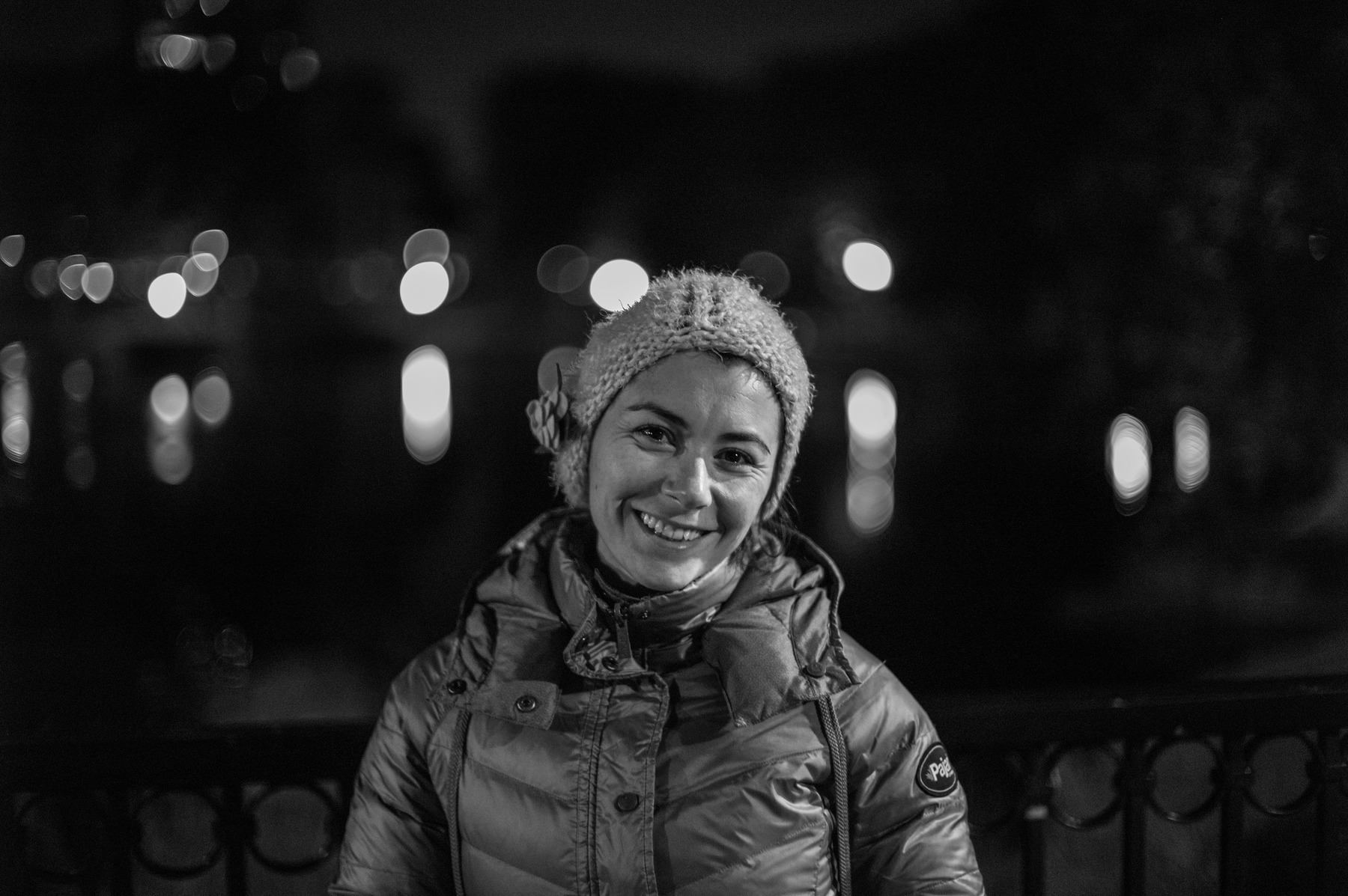
When I say that 28mm puts too much into the photograph, I am also talking about the background. It can remain a strong presence when I want the subject to have more room to breathe. The 43mm Q speaks a different language because it begins with a narrower view. At the same camera position, focus distance and f-number, it also gives less depth of field than 28mm.
That does not mean a 28mm lens cannot throw anything out of focus. Move close, use a wide aperture and leave some distance behind the subject, and it certainly can. As an illustration, a nominal 28mm lens at f/1.7 focused at one metre has a calculated acceptable-focus zone of roughly 0.94 to 1.07 metres. That is about thirteen centimetres. At f/8, focused at four metres, the same calculation extends from about 1.8 metres to infinity. The assumptions are a simple thin-lens model and a conventional 0.03mm acceptable blur circle, not measurements of a Q lens. 4
The difference between those situations matters more than a slogan about wide lenses. A close photograph of a flower and a street scene focused several metres away are asking the same focal length to do very different things. If you are looking for a distant background to disappear, you must also consider how far that background is from the subject.
There is another distinction worth understanding. If I keep my position and change from 28mm to 43mm, the subject becomes larger in the frame. If I move backwards with the 43mm to keep the subject the same size, I have changed the comparison. At the same f-number and similar subject magnification, depth of field can be quite similar. The background’s scale and the perspective relationships can nevertheless look different because I have moved. 4
This is why I would not sell the Q3 43 as a machine that automatically produces beautiful separation. Its f/2 lens gives you a particular combination of framing, aperture and working distance. A 50mm M lens at f/1.4 or f/0.95 offers another combination, with different practical demands. You still have to place yourself and your subject thoughtfully.
I also distinguish the amount of blur from the character of the blur. A background can be very soft and still distracting. Bright outlines, busy transitions and an unfortunate highlight behind a face can all draw attention away. Before admiring how little is in focus, ask where your eye goes first.
For my own preference, the appeal of 43mm is the easier starting point for selective composition. I can include the surroundings when they help, and work toward a more concentrated photograph when they do not. That is a more useful benefit than promising that every photograph will have a creamy background.
What sixty megapixels gives you in everyday photography
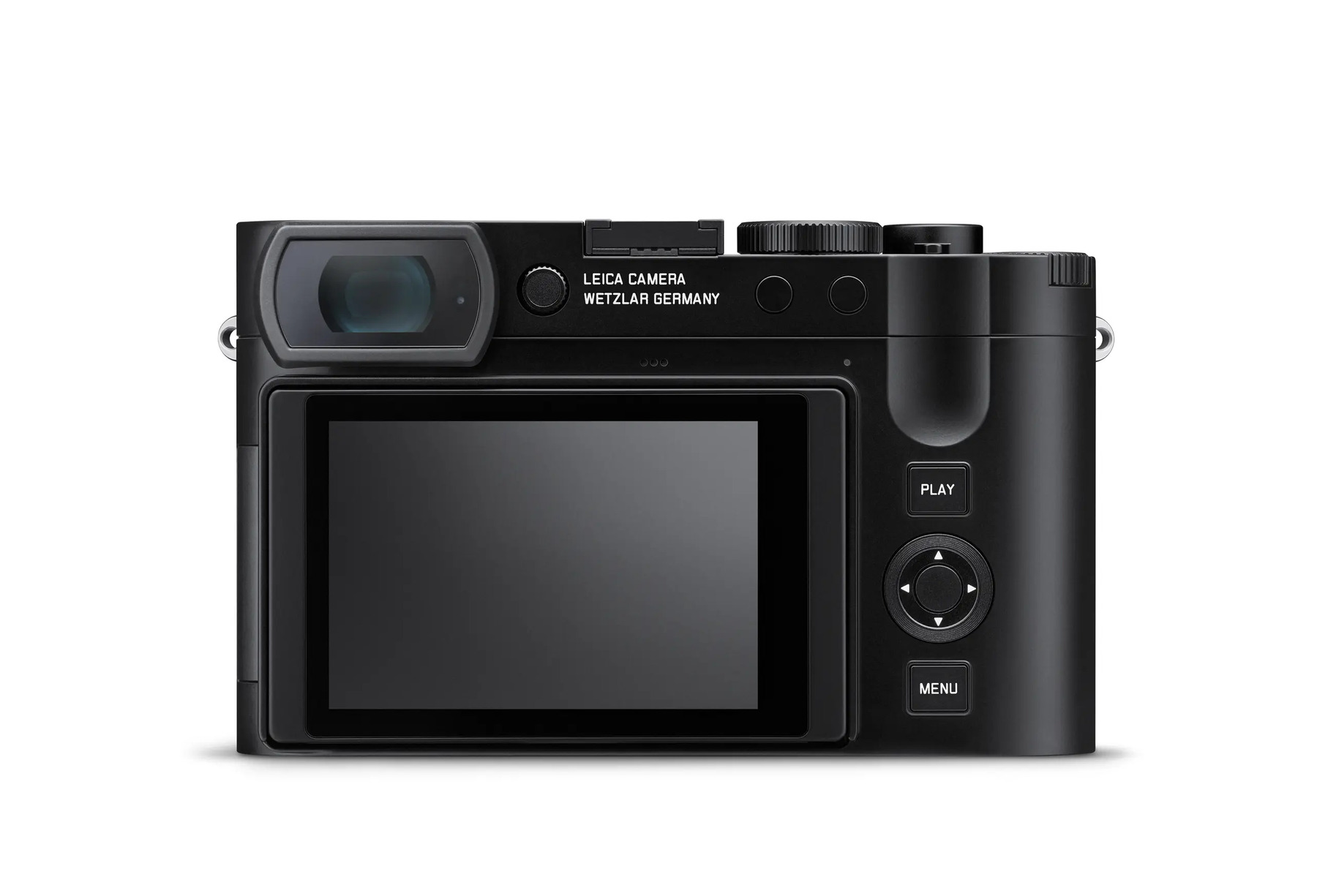
Sixty megapixels is useful. I have no interest in pretending otherwise. But I want to know what the extra information does for the finished photograph. Will it help with a large print? Will it preserve a detail I need? Will it let me refine a composition when I could not get closer? Those are good reasons to value resolution.
Cropping is particularly relevant to the Q because the lens stays on the camera. Here is what three custom crops retain from a nominal 60-megapixel image:
| Starting view | Custom crop to | Pixels remaining |
|---|---|---|
| 28mm | 43mm equivalent | About 25.4 MP |
| 28mm | 50mm equivalent | About 18.8 MP |
| 43mm | 50mm equivalent | About 44.4 MP |
These are area calculations: 60 × (original focal length / target focal length)². They are custom framing examples, not a list of the cameras’ built-in crop settings.
That makes a modest crop from the Q3 43 quite practical on paper. It also explains why buying a 28mm Q with the intention of living permanently at a 50mm framing deserves thought. You are leaving a substantial part of the recorded image outside your final photograph. That may still be entirely sufficient for your output. It simply makes the decision more honest.
Cropping preserves the perspective from the original camera position. It does not reproduce every optical property of a native longer lens used at the same position and f-number. Nor does it move you closer to the person, change the light, or find a better expression. The extra pixels help you select a smaller part of what you already recorded.
Compared with a 24-megapixel image, 60 megapixels gives two and a half times as many pixels, but only about 1.58 times the linear dimensions at the same shape. That is a meaningful gain in potential detail and print size, rather than two and a half times the width. Our M11 buyer’s guide goes further into the M10 and M240 comparison.
The practical discipline remains familiar. Focus accurately. Use a shutter speed appropriate to the movement in front of you. Watch for small camera movements. Decide how much depth of field the picture needs. A large file faithfully records a missed focus just as readily as a well-resolved detail.
I would also judge the result at the size you intend to use it. Looking at every file at 100 percent can turn photography into a search for faults that nobody sees in the finished work. Make a print. Look at it from a sensible distance. If your older camera already gives you the photograph you want, a larger number alone does not make that photograph obsolete.
The colour I remember, and the colour of the current generation
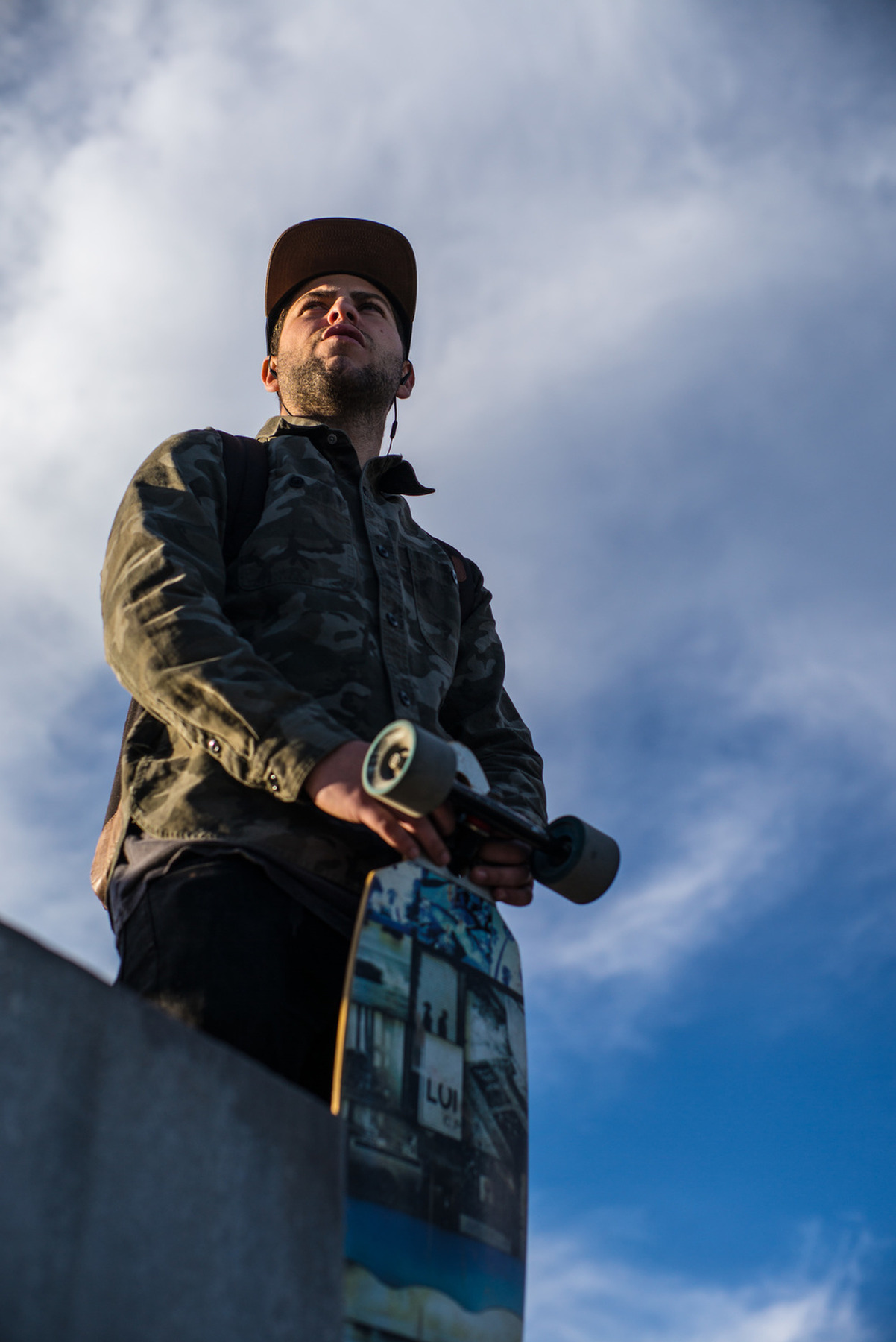
To my eye, the colour character of the present generation does not feel like a simple continuation of older Leica sensors. This is one of the reasons I resist the assumption that every new model automatically gives us more of the qualities we liked before. It may give us greater resolution and a different rendering. Whether we prefer that rendering is a separate question.
I am describing an aesthetic judgment here, not reporting a new controlled comparison between these three cameras. A photograph can be technically excellent and still leave you less interested in its colour. Another photographer may prefer exactly the qualities that trouble you. We should be able to discuss that without deciding that one of us has failed to understand the specification sheet.
But colour is also where loose comparisons create confusion. The sensor supplies the starting data; the displayed colour photograph is an interpretation. Colour filters, the light illuminating the subject, the lens, white balance, camera profiles and processing all contribute. Adobe’s explanation of raw conversion makes the distinction clear: colour interpretation and tonal rendering are part of converting the capture into the image we see. Different conversions can make the same raw file look different. 5
Even within a Sony-sourced generation, Leica makes specific claims about its implementation. Its M11 announcement describes a new colour-filter array and a particular IR/UV filter construction. That is a good reason to avoid treating the sensor supplier’s name as a complete description of the camera. It is equally not proof that every viewer will prefer its colour. 6
When someone tells me an older M has better colour, I want to look at skin, subdued colours, strong reds, foliage and the transition from lit areas into shadow. I also want to know how the files were prepared. A warmer white balance, a different contrast curve or stronger saturation can easily become part of what we remember as the camera’s personality.
There are two comparisons I find useful. First, look at each camera with the normal processing you would actually use. That answers a practical question: which result do you enjoy making? Then make a more carefully matched comparison, with consistent exposure, light, white balance and a documented processing approach. That helps investigate where the differences originate. No single preset can guarantee that every camera has been treated equivalently.
The purpose is not to talk you out of a preference. If you love the files from your M240 or M10 and they continue to serve your work, that is a valid reason to keep it. A new Q should earn its place through the experience and results it offers you today. It should not depend on a promise that all Leica generations share one unchanging colour signature.
Sony, Leica and the question of a distinctive look

The Sony connection belongs in this discussion. In a firsthand interview with Leica management, Jon Cheffings describes the aligned M11, Q3 and SL3 sensor platforms, with Monochrom offshoots, and reports Stefan Daniel discussing Leica’s work with Sony. This is the basis for describing the M11/Q3 generation as Sony-sourced sensor technology. It does not identify an exact chip shared unchanged by every body. 7
Sony sensors also appear in cameras from other manufacturers. For a concrete example, TechInsights identified a Sony sensor in its examination of the Nikon Z6 III. That particular sensor is 24.5 megapixels and partially stacked; sharing a supplier plainly does not make it the same design as every 60-megapixel camera. 8
My point is that comparable sensor technology can produce similar results across brands. We should not assume a photograph will be recognisably Leica simply because the name is on the body. If a buyer is paying a substantial premium for a distinctive image, it is reasonable to ask where the distinction comes from and whether it remains visible in the finished work.
There can still be differences in lenses, filters, sensor implementation and processing. There can also be a different experience of making the photograph. The mistake is to turn either position into a rule: that a common supplier makes every image indistinguishable, or that a Leica badge guarantees a special rendering that other manufacturers cannot approach.
Leica has now taken a documented step toward a more bespoke sensor. On 20 April 2026, Leica and Gpixel announced a partnership to develop a sensor for future Leica cameras. Their stated targets include colour reproduction, noise, dynamic range and detail. This concerns future products. It does not replace the sensors already inside existing Q3 or M11 cameras, and the announcement does not name a production model or demonstrate its finished image quality. 9
I see that development as strategically significant. If Leica wants a stronger claim to a distinctive image, greater control over the sensor and its tuning could give it more room to pursue that goal. To me, that is a more interesting direction than expecting the reputation of earlier cameras to do the work indefinitely.
But I would not present my reading as an admission from Leica that Sony colour has failed. The company has not said that in the announcement. Nor would I buy a present camera on the expectation that some future sensor will rescue it.
The useful question is the one we can answer now: do you like the photographs this camera helps you make? If you do, there is nothing embarrassing about enjoying a Sony-sourced sensor. If you do not, the logo is a poor reason to persuade yourself otherwise.
Once the framing is right, the colour becomes another part of the story. If you want to explore a different finish on your own files, visit the Leica Lightroom presets. Try a treatment, then look at the skin, the brightest tones and the quiet areas of the picture before deciding what to keep.
The Monochrom is an artistic commitment
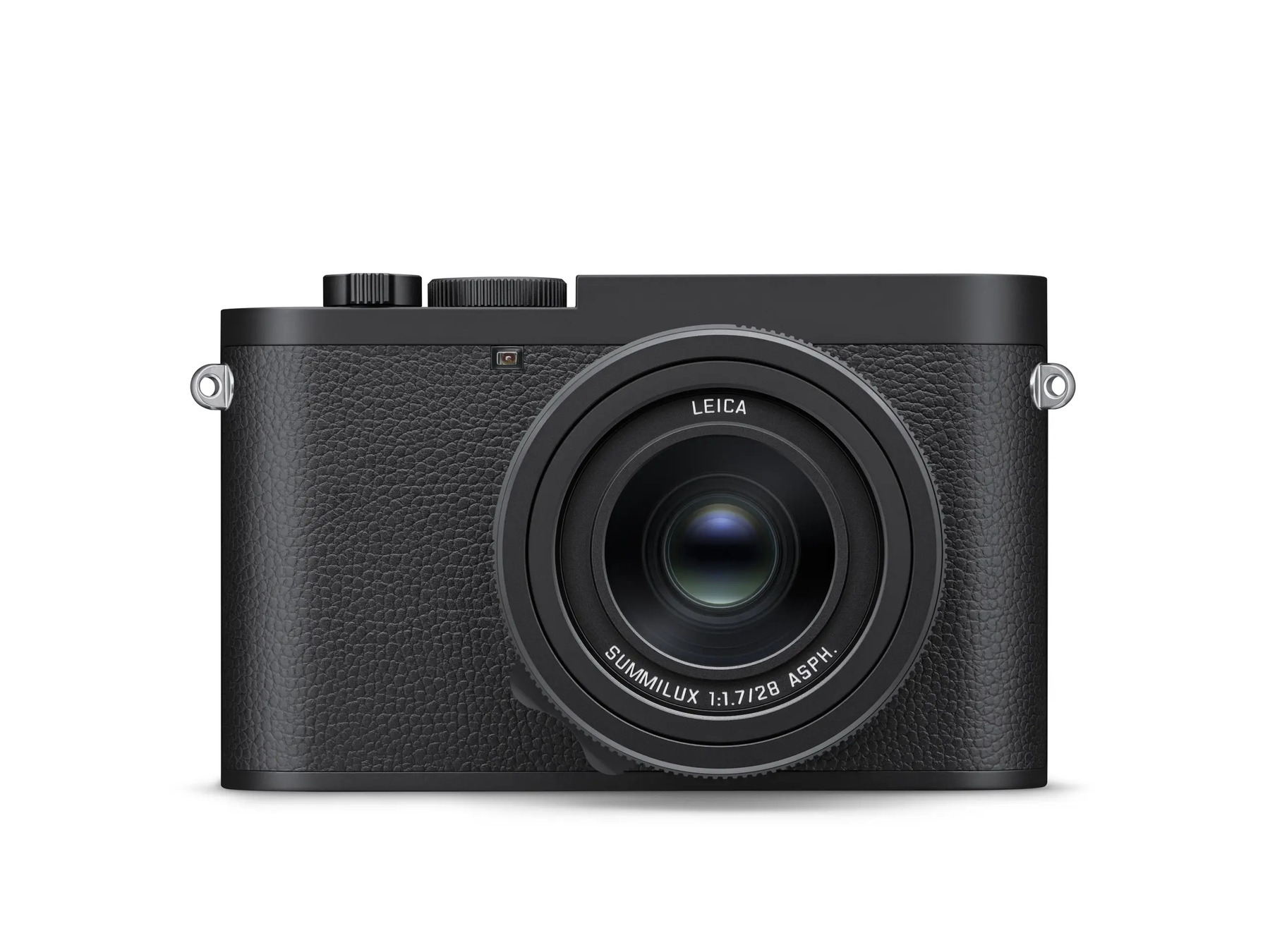
The Q3 Monochrom has a different role. I think of it as an artistic commitment because you decide to leave colour behind before you encounter the photograph. That decision can change what you notice. A bright object that would dominate a colour picture may become less important than a line of light across a face or the relationship between two grey surfaces.
There is also a real hardware distinction. The Q3 Monochrom uses a dedicated sensor without a colour-filter array. It records black-and-white information directly, rather than recording a colour file for later conversion. The absence of those filters changes the capture process and can benefit detail and sensitivity; the size of an advantage needs a fair comparison at matched output and exposure. 10
I would be wary of judging it by the highest ISO number on a specification sheet. An available setting is not a photograph. Nor does the phrase back-side illuminated tell us, by itself, how much better one monochrome camera will perform than another. Exposure, pixel design, read noise, processing and the size at which the image is judged all matter. A claim about superiority to a Q2 Monochrom would need appropriate photographs or measurements, not an assumption based on the newer model name.
What interests me more is the working decision. With a colour Q3, you can make a black-and-white conversion and still retain the colour original. You can also use its colour information to change how different colours become grey. With a Monochrom capture, you cannot recover recorded colour that never existed. Coloured lens filters can alter tonal relationships at capture, but a software colour-channel mixer cannot invent separate original red, green and blue measurements. 5, 10
Imagine a person wearing a coloured jacket against a wall that becomes a similar grey. In colour, separation may be obvious. In monochrome, you may need another angle, different light, a filter, or a different composition. That is a practical creative problem. The camera does not solve it simply by being dedicated to black and white.
Highlights deserve care too. Once useful highlight information is clipped, there is no separate colour channel to consult for an alternative record of that texture. I would watch the exposure and learn how the files behave, rather than assume the depth of a monochrome image excuses careless capture.
None of this makes colour photography less artistic. A colour Q can make extraordinary black-and-white work. The Monochrom’s appeal is that its restriction may suit the way you want to work, alongside its specific capture characteristics.
There is one further condition: you must still like 28mm. A beautiful monochrome sensor does not remove the width of the lens. If your objection to the Q3 is the amount of scene it includes, the Monochrom asks you to live with the same fundamental framing choice. I would take that seriously before becoming absorbed in the romance of the camera.
The camera you will actually take with you
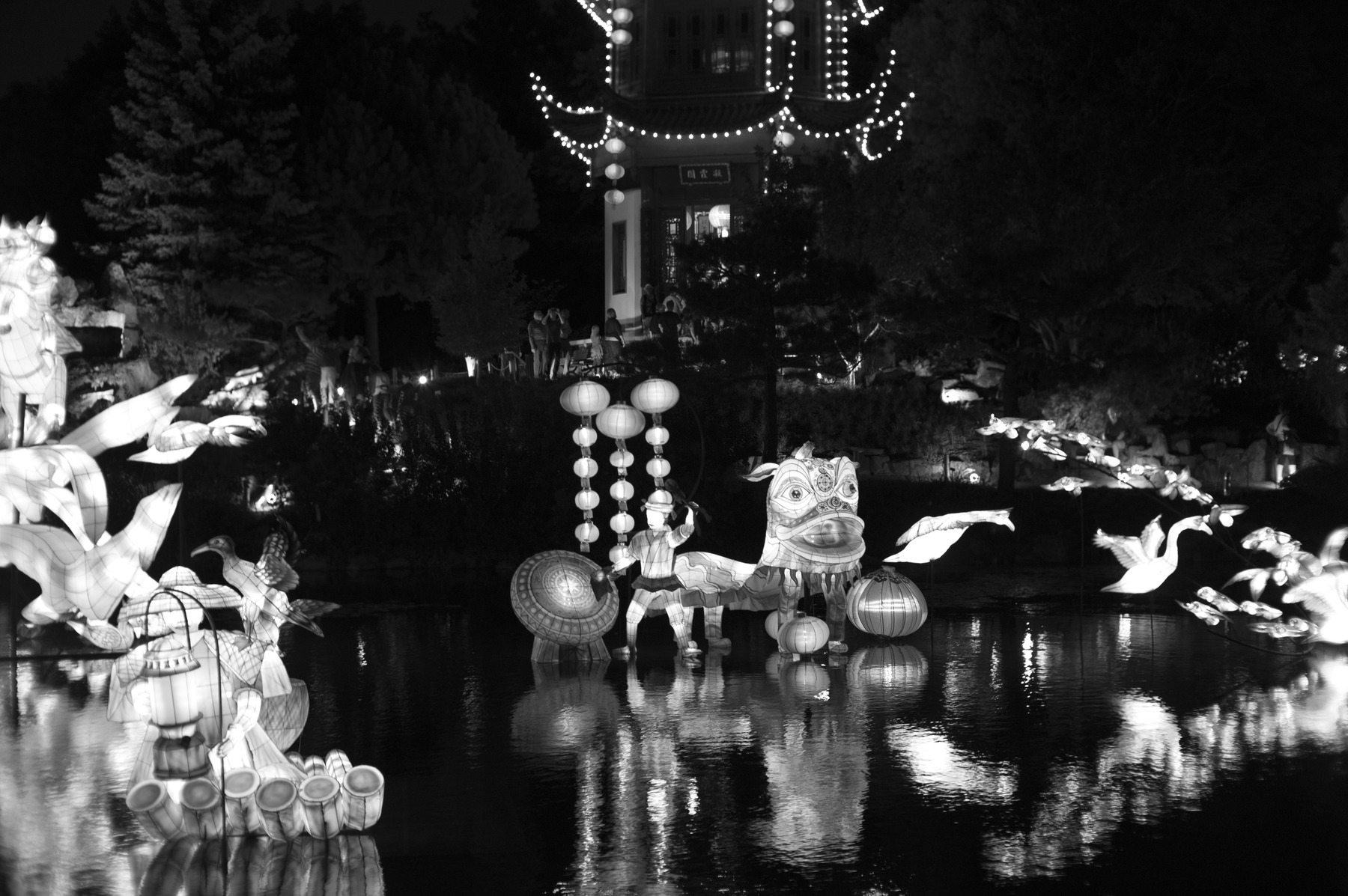
I like the idea of going out with one camera. There is a freedom in deciding what you will use and then paying attention to what is happening around you. But a fixed-lens camera only gives you that freedom if the lens suits your intentions. Otherwise, the simplicity can become a daily argument with yourself.
For travel, I would think about the photographs I expect to value afterwards. If they are interiors, people in their surroundings and the relationships between places and activity, 28mm may be welcome. If they are conversations, individual people, details and more concentrated compositions, 43mm may feel easier. These are tendencies, not rules. Try the framing in the sorts of spaces you actually visit.
For family photographs, colour can carry information you may later treasure. The colour of a dress, a room or an object can be part of the memory. Black and white can concentrate attention beautifully, but I would choose its permanence consciously. If this is your only camera, that choice deserves more thought than it does when the Monochrom is one tool among several.
Size matters as well. Calling the Q compact tells us about its category; it does not guarantee that it is the small camera you want to carry all day. The lens projects from the body, and a hood, strap or grip adds to what you actually take with you. I would put the complete camera in my usual bag and carry it before deciding that the specification has solved the problem.
The Q’s practical appeal includes autofocus, an electronic viewfinder and a tilting display. The lenses use optical stabilisation. That can help with camera movement, but it cannot stop a person moving during the exposure. For a moving child or a face turning in low light, shutter speed still matters. It is useful to distinguish steadier framing from freezing the subject. 11
The 43mm lens also asks for a little less scene around the person at your chosen position. That can make a photograph feel more concentrated, but indoors you may run out of space to step back. Conversely, a 28mm lens can make you move closer than you want to achieve a tight portrait. The distance between you and another person affects the experience as well as the geometry.
An M remains a different proposition. You can choose the lens that serves the day and accept the concentration required by manual focusing. A Q offers a simpler fixed-lens package. I would choose between those experiences according to my work, rather than assume one is the more serious photographer’s camera.
The purchase should reduce a practical difficulty or give you a pleasure you will use. Owning a beautifully made camera that stays at home is an expensive way of appreciating industrial design.
Which Q would I recommend?
For someone who shares my frustration with 28mm including too much, the Q3 43 is the first one I would try. Its framing is a substantial reason to consider it. I would approach 43mm on its own merits, without needing to believe it duplicates the human eye or replaces every reason to own a 50mm M lens.
Choose the Q3 when 28mm serves your compositions and you want colour. Its wider view is useful when the surroundings are part of what you are trying to say. If you habitually want to crop most of that view away, be honest about how often you are buying a capability you will discard.
Choose the Q3 Monochrom when you want a dedicated black-and-white camera and genuinely enjoy the 28mm viewpoint. Its artistic appeal is meaningful, but it should begin with your interest in the work. The sensor will not decide which shadows matter or where a person should stand in the frame.
Before buying, I would make a small, practical set of photographs: a person near a window, a scene with a busy background, an interior, a low-light subject that moves, and something with colours you know well. Try your usual processing and look at the result at your normal output size. Include your existing camera. This is a proposed exercise, not a test I am claiming to have performed for this article.
Ask which camera helped you arrive at the picture with the least frustration. Then ask whether the difference is worth the money to you. The answer may favour a Q, an M you already own, or another manufacturer’s camera. That is a useful result.
I remain interested in where Leica takes its own sensor development. I would welcome a future camera whose photographs give us a compelling reason to discuss its character. For now, I would judge the Q3 family by the lenses, files and experience it actually offers. Your preference for an older Leica’s colour remains yours to keep. Your interest in a newer camera does not require you to forget it.
Keep photographing.
Sources and photographic notes
This is an editorial comparison informed by published documentation, optical calculations and my stated photographic preferences. It is not a new laboratory or side-by-side field test. Product photographs and author archive photographs are identified in their captions; archive images do not establish comparative Q3 image quality.
- Leica Q family: cameras and core differences.
- Leica Courrier: Dietmar Stuible interview, printed pages 16-17, PDF page 9; original German.
- Good et al., Dynamic visual fields of one-eyed observers, Optometry, 2005.
- ZEISS: Depth of field and manual focusing. Numerical examples here are independent thin-lens calculations using a 0.03mm acceptable blur circle.
- Adobe: Understanding Digital Raw Capture, camera profiles, and colour-raw/monochrome FAQ.
- Leica M11 launch: colour-filter and IR/UV construction.
- Jon Cheffings: firsthand Daniel/Köhler interview, Macfilos, 13 March 2026.
- TechInsights: Sony IMX820 in the Nikon Z6 III.
- Leica and Gpixel: future sensor-development partnership, 20 April 2026.
- Leica Q3 Monochrom launch announcement.
- Leica Q family: handling and optical stabilisation.
Further reading from my archive: original Leica Q review, photography and composition, 50mm lens photographs, and monochrome photography.