
In this article
Leica M10 Camera – Specs. Explained
Announcement
First came the rumour that Leica M10 camera would be released soon. This all-new rangefinder camera would follow in its long lineup of M cameras, touted as the best camera Leica Camera had ever made.
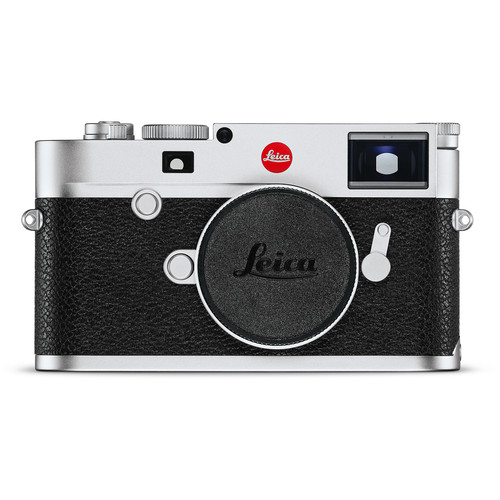
When I wrote to Leica camera requesting information about this new camera, their response was a dry and dull corporate correspondence email saying that they had no “information” available about a new product. If and when I see an announcement by Leica Camera about a new product, then I could write to them. Of course, Leica Camera was not sitting idle waiting for reviews to be published when the camera became available. They had long distributed copies of the new Leica M10 camera to their “trusted reviewers.”
The Launch of Leica M10
The day the Leica M10 camera was launched, glowing reviews emerged all claiming the alchemist camera could turn an incompetent imbecile into a professional photographer. If only the potential customers for Leica M10 camera could see what this new camera could do, they would be making their way to the nearest Leica camera dealer to place their order for a new Leica M10 camera.
Claims were strong, backed by field tests, hands-on reviews and sample photos. One reviewer actually posted a review video with a smirk saying, “I just had a meeting with the Leica executives…” One reviewer claimed that the new camera had over two stops of improvement over the previous version, Leica M240 camera.
I took all this with a grain of salt, knowing that only a few reviewers could be trusted to tell the actual truth about Leica M10 camera or any other camera. I did eventually get my hands on the new Leica M10 camera and took a closer look.

Design
Leica M10 camera looks much like the older version Leica M240 camera with classic lines that are a testament to a timeless design, but with a few modifications. In essence, Leica rangefinder camera design has been continued for decades, with improvements in each successive model. Whether you own a Leica M8, M9, M240 or an older version, the familiar, classic body design of your camera can be traced back to the earliest Leica cameras.

In keeping with the tradition of Leica M cameras, the new Leica M10 camera bears a strong resemblance to the previous versions with a new ISO dial and fewer buttons. The new rangefinder camera is slimmer but not smaller in size than the earlier version (Leica M240 digital camera).
Naming a Rangefinder
Leica M rangefinder cameras had a tradition of being named in succession, M6, M7, M8, M9. When Leica M240 camera was announced, it was a deviation from this protocol.

“Would we see the new Leica M camera as Leica M10 camera?” was the question on most Leica enthusiasts’ minds. Once the new rangefinder camera was announced, it was a return to the tradition that Leica camera had carried on for decades.
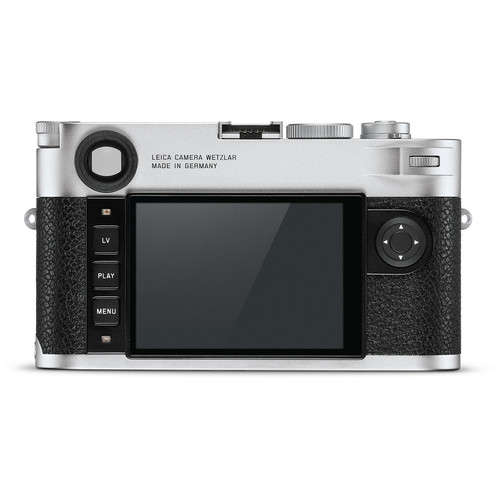
Returning to tradition did, for some reason, mean omitting many of the features and ease of use that came with building rangefinder cameras year after year. Some have called this “return to the roots”, whatever that means, making the new Leica M10 camera, a still-photography camera only. This was a delight to the jaundiced Leica fans who thought Leica’s competitors foolish to offer more functionality, ease of use, video capabilities and more.

No Video
In keeping with technological advancements, almost all cameras from professional DSLR cameras to point and shoot cameras have incorporated 4K video capabilities into their designs. Some compact cameras have gone even further by offering 4K video recording coupled with ultra-high rate HD video capture that allows a five or even ten times slow motion playback.
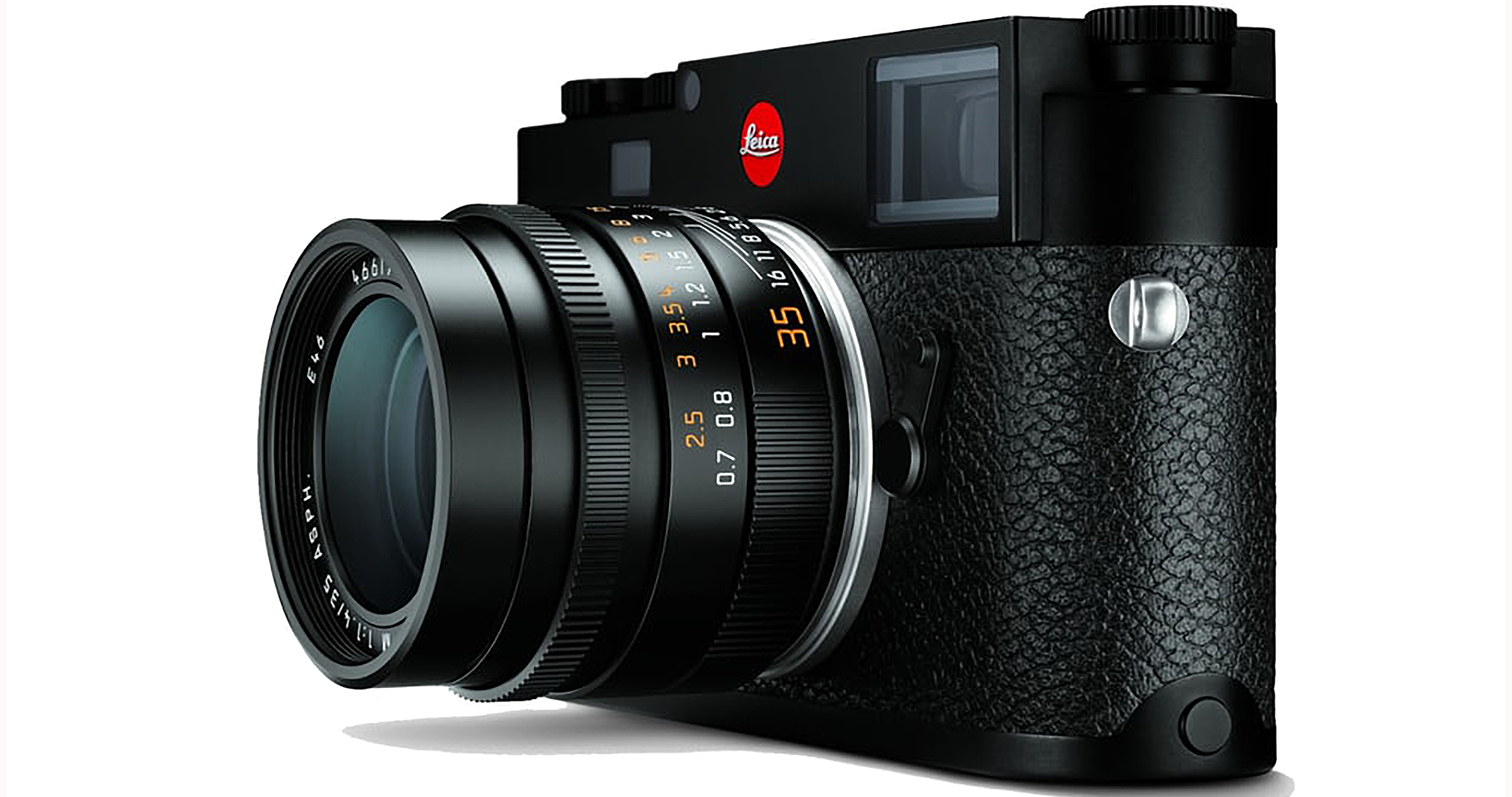
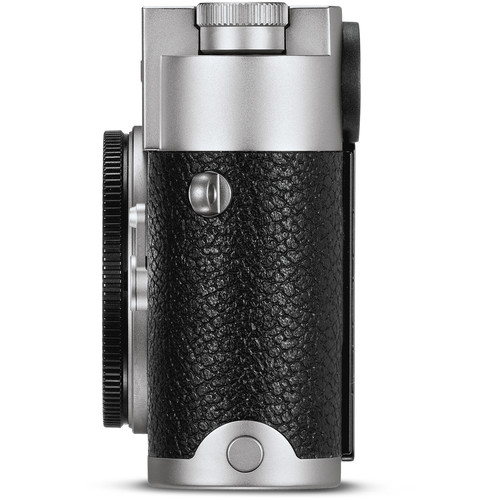
Many contemporary Leica digital cameras offered video recording before the arrival of the Leica M10 camera. The Leica M10 camera takes a different approach, concentrating on still photographs.
Leica M cameras have always been about photography, some may argue, but consumers have been demanding more and expecting the newer cameras to be technologically advanced. Video capabilities are no different. If you are travelling, you may want to capture a beautiful sunset on video; you may want to film the beautiful architecture. Leica M10 camera could have easily captured some stunning video from which images could be extracted for photography. But Leica camera decided that it was not the way to go.

I think what Leica camera executives had in mind was the idea that offering less could be the distillation of the photographic experience to its bare essentials. The art of photography continues to expand through digital cameras, editing software and cameras capable of high frame rates that give the photographer more moments to choose from. In my view, Leica Camera has turned away from some of these advancements. Instead of offering more tools for photographers to express their ideas, it offers a limited buffer, no video and no way to switch between single and continuous shooting with a flick of a dial. To Leica camera offering a new rangefinder camera meant going back to the days of film cameras without the film. If it were up to Leica’s executives, they would even omit the LCD screen on the back which they did for their much-hailed Leica M60 camera.

Delivering Value
Leica M10 camera should cost much less since there are fewer components in it. Omitted video capabilities, fewer controls and the absence of the microphone that came with the Leica M240 camera all contribute to the new rangefinder’s stripped-back design. Ideally, I would expect it to cost less. It does not, and I am sceptical that it ever will: a higher price is often taken as a sign of a better product.

Improvements
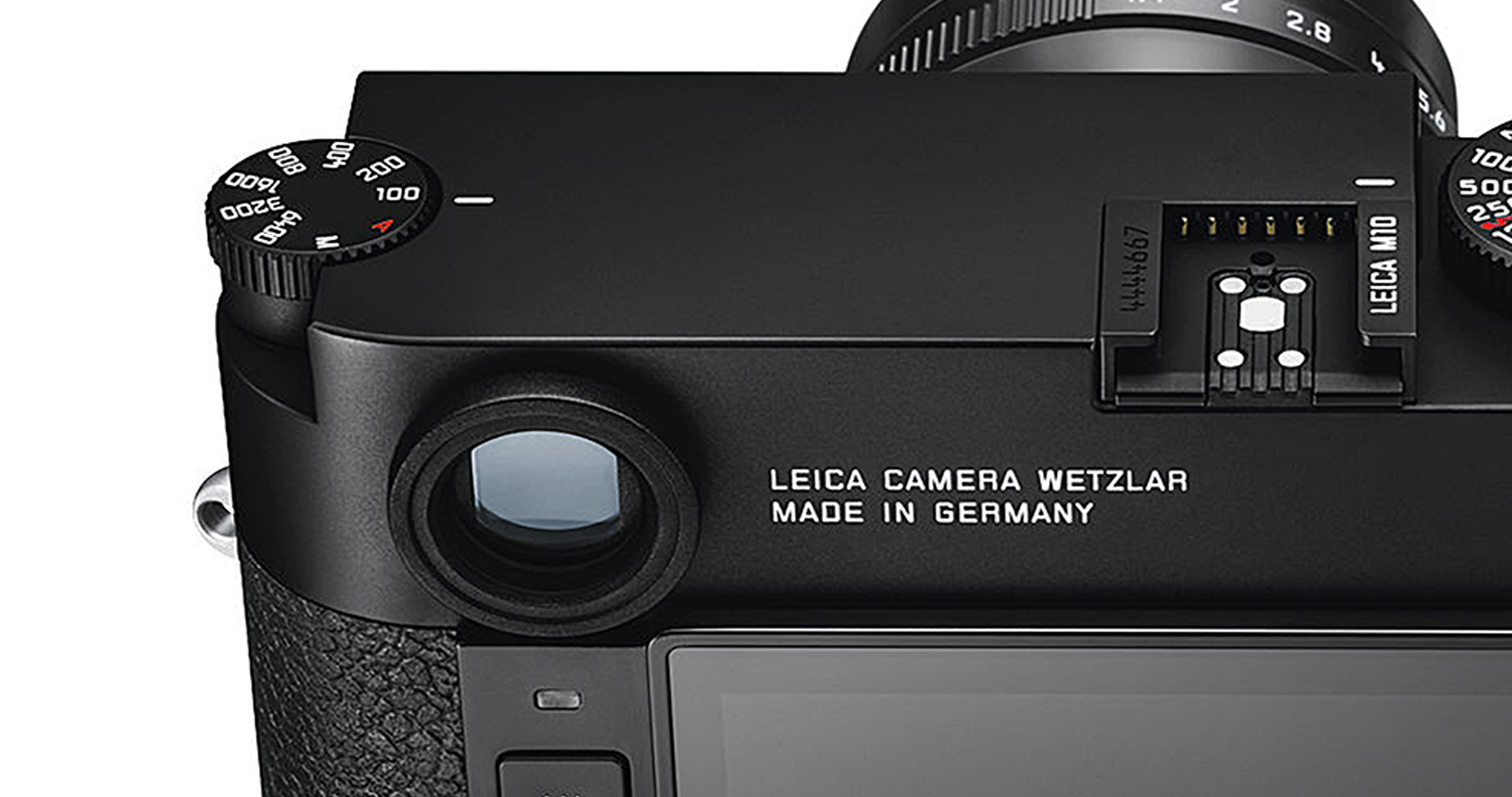
Dedicated ISO dial
When earlier Leica M digital cameras were introduced, a rear LCD became an integral part of the design. ISO adjustment was handled through the camera’s controls and menus.
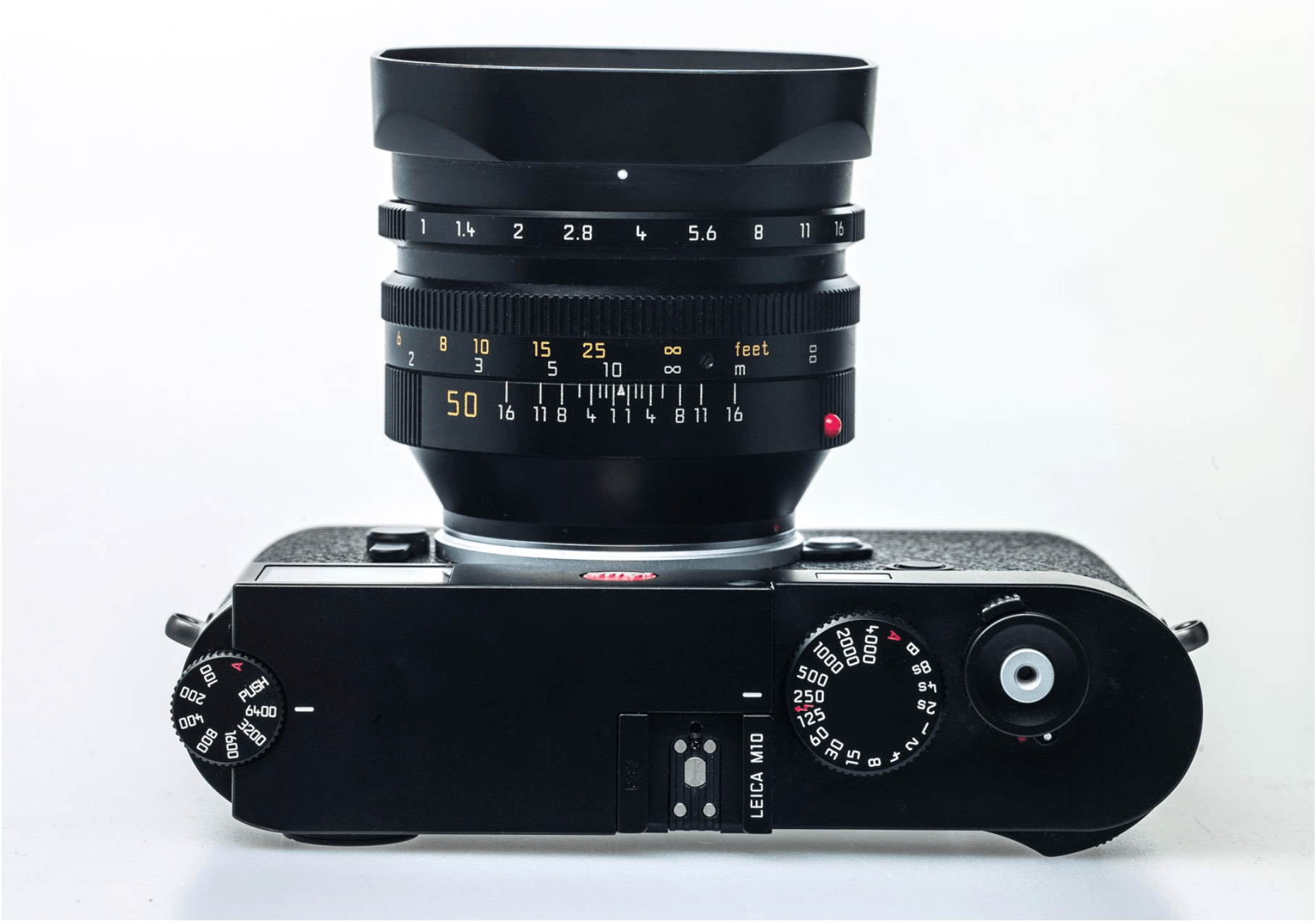
Modern Leica digital rangefinder cameras replaced the ISO dial with a button on the back of the camera requiring navigation through the menu to set the ISO. This may have slowed the process of capturing images but afforded a new way of using a rangefinder camera.

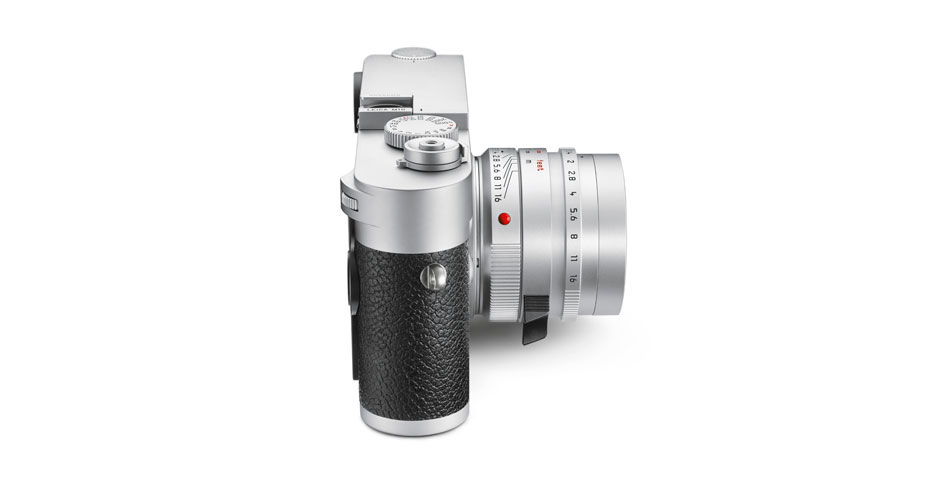
Leica M10 camera comes with a dedicated ISO dial on top of the camera which restores direct access to the settings by lifting and turning the dial. This may be a more natural way to change the ISO values, but the top dial only goes to 6400 ISO which means that ISO settings above 6400 ISO must still be dialed in through the on-screen menu in the back of the camera.
Overall, I welcome the idea of having direct access to the ISO settings via a dial. In a way, it further streamlines the design of the new rangefinder camera.

Higher ISO
Leica Q and Leica SL cameras have a maximum sensitivity of ISO 50,000; the new Leica M10 camera will also feature higher ISO numbers at 50,000 ISO. This would mean that the new Leica rangefinder will be able to capture images even in the most challenging lighting situations provided the photographer does not mind applying noise reduction once the images are transferred to their computers.

As with the previous Leica rangefinder, Leica M10 camera has considerable noise above 3200 ISO which may call for noise reduction to remove the digital noise that is prevalent in images captured in low light circumstances.

Powerful Image Processor
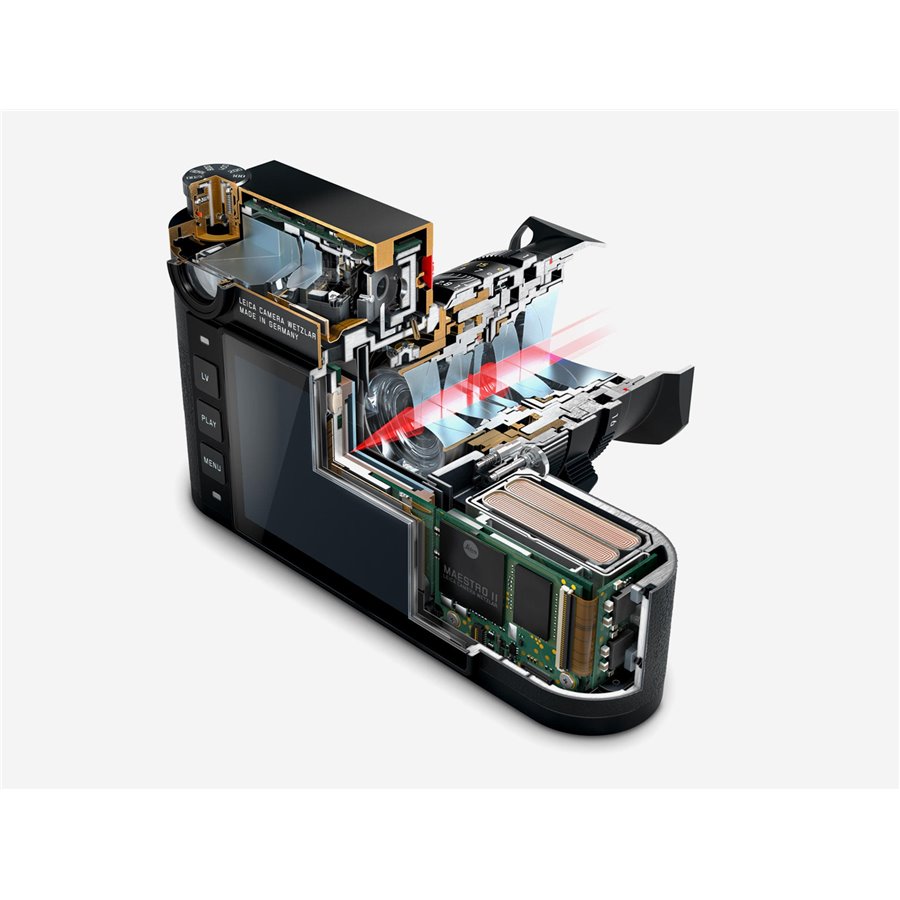
Leica M10 camera uses the Maestro II image processor. This processor has been the workhorse for Leica SL camera and has produced admirable results. The Maestro II image processor is capable of delivering impressive results.

Frames Per Second
Leica M10 camera with its Maestro II image processor can capture up to 5 fps. Continuous shooting must be selected through the LCD screen menu. If the single mode is to be re-engaged, then the same menu navigation must be followed to reselect the mode.
On the previous Leica rangefinder, Leica M240 offered the ability to select the continuous mode or single mode via a simple flick of a dial found beneath the shutter button.

Fewer Buttons
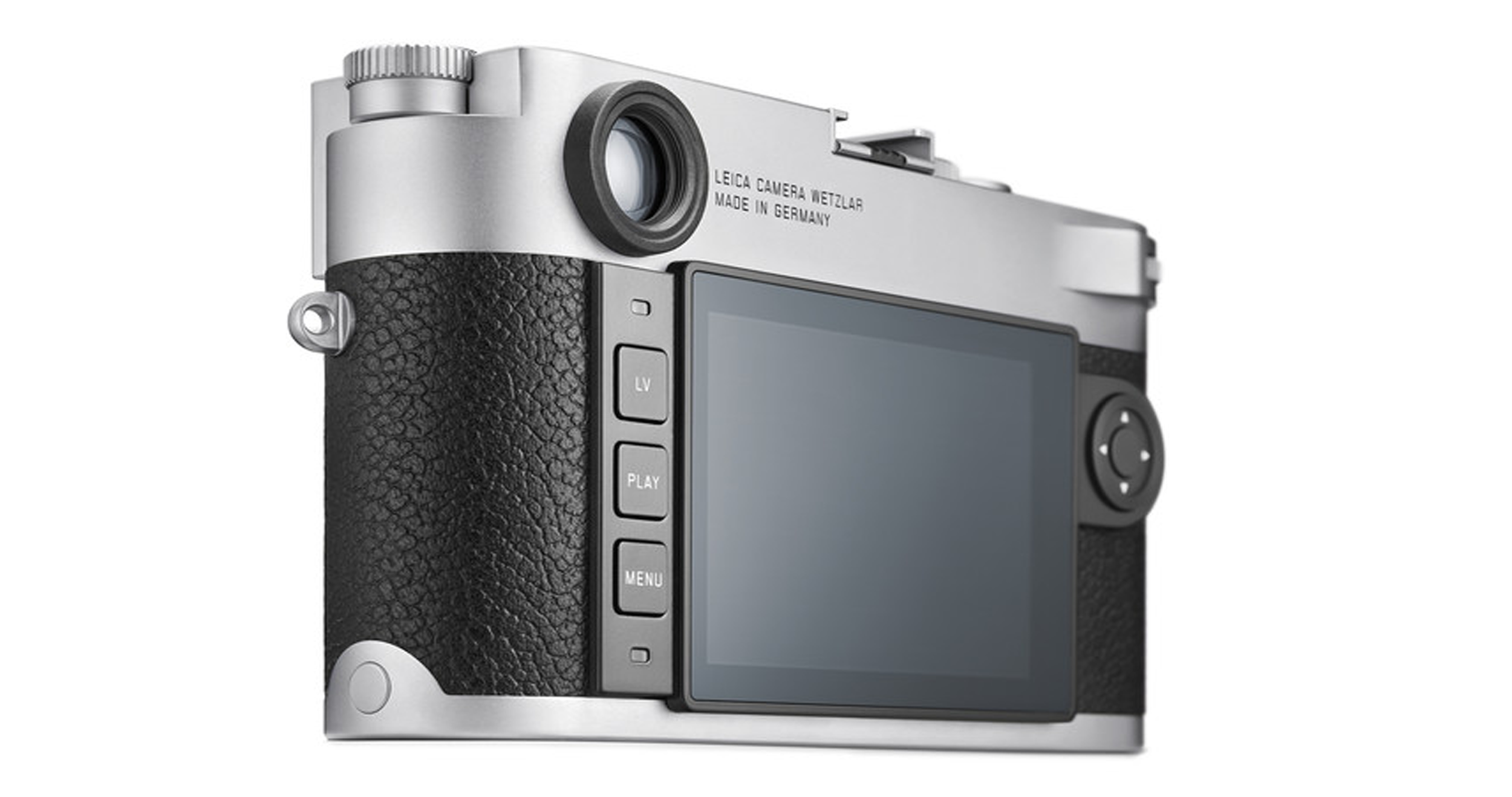
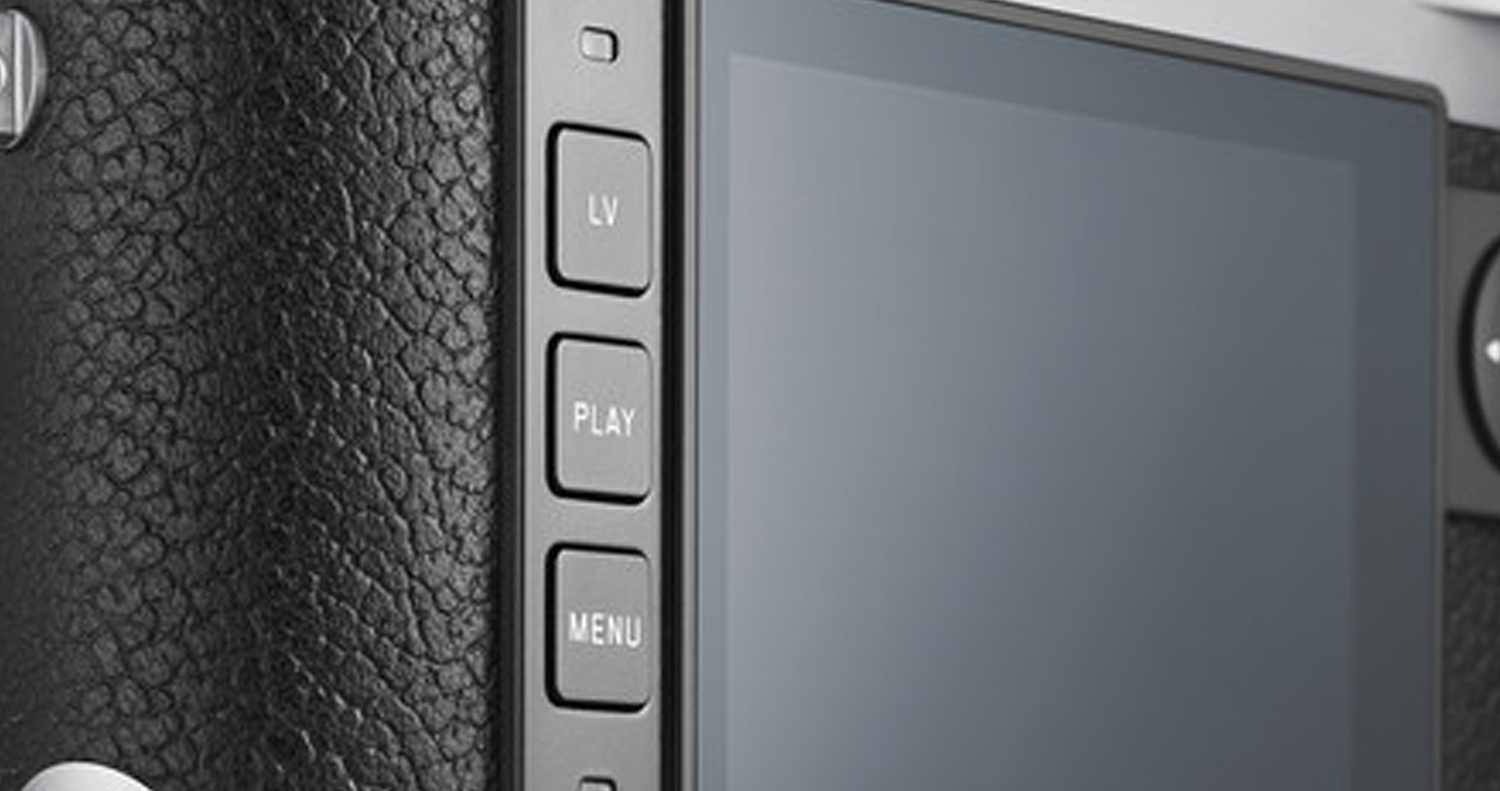
Leica M240 camera had six buttons on the back of the camera plus a thumb dial and navigational cursor. The new Leica M10 camera will feature only three large buttons on the left side of the LCD screen dedicated to playback, Live View and the menu, bringing the design back to its essentials.
With the video function removed, the Leica M10 camera also loses the dedicated video-record button.
Simplified Menu
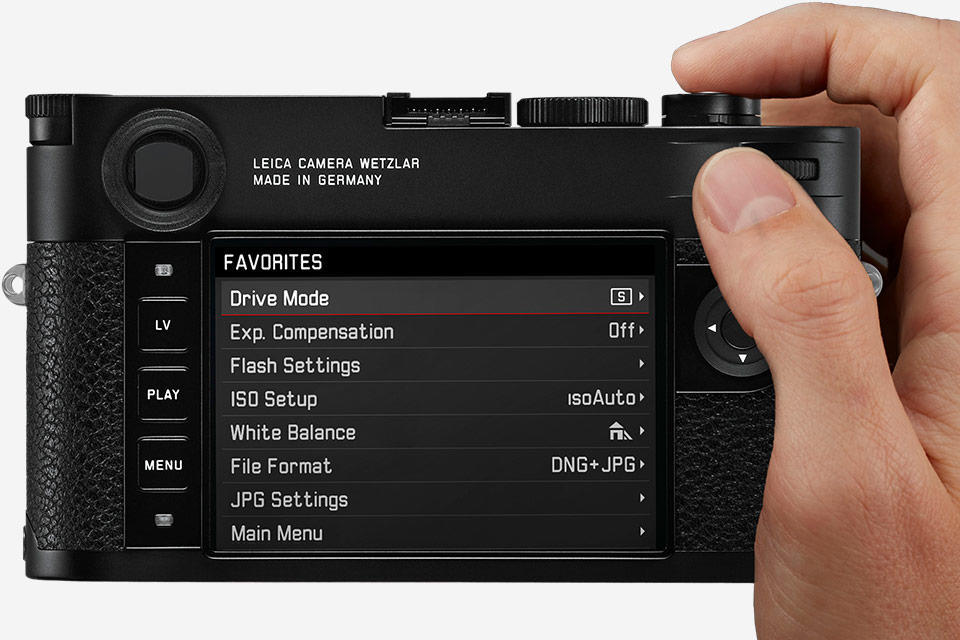
Fewer buttons and the absence of video mean that the new Leica M10 camera will have a more simplified menu. A minimalistic approach to the experience of photography using a rangefinder camera has resulted in a camera with only the essential functions retained in the new menu design.
Rear LCD
The back of the Leica M10 camera has a 3.0-inch, approximately 1.04-million-dot LCD protected by Gorilla Glass.
Keeping What is Good
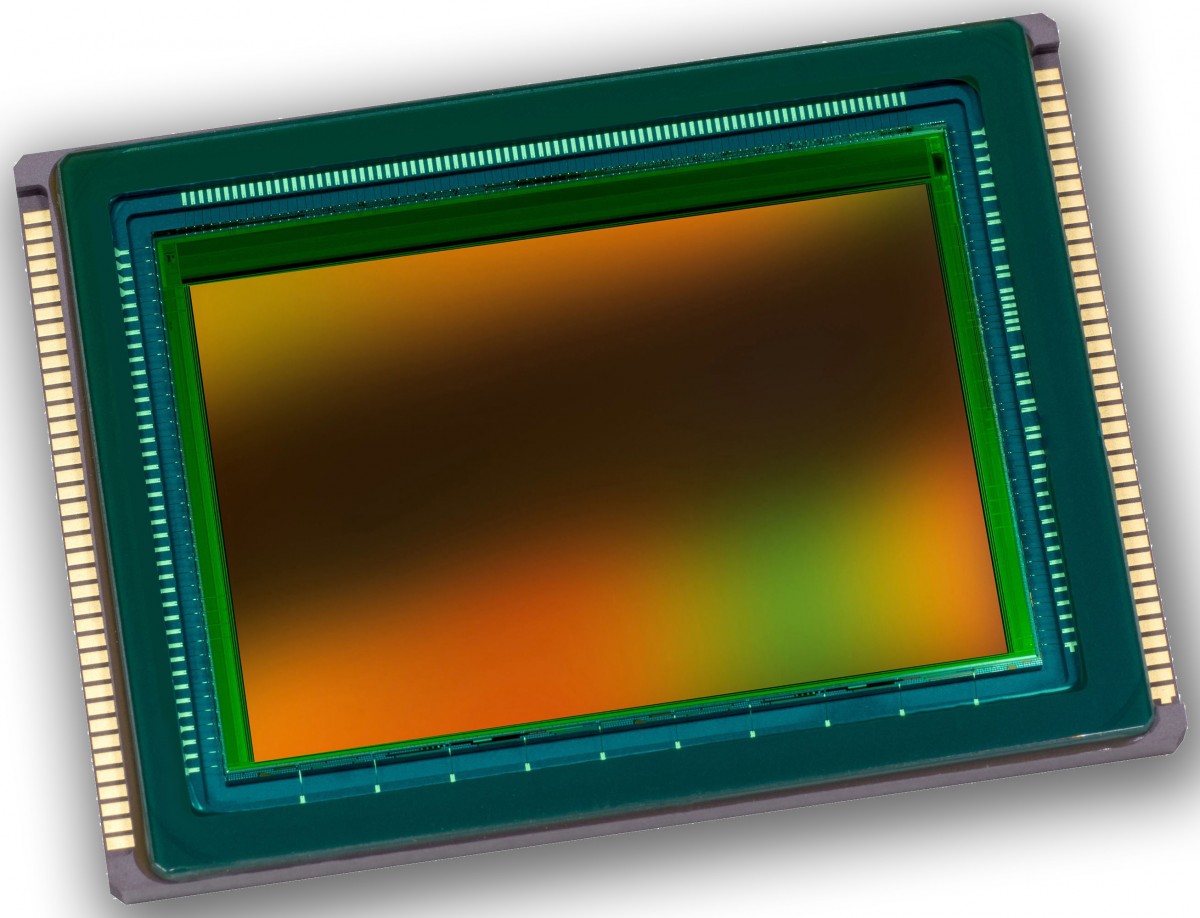
Leica M10 camera features a 24MP image sensor, matching the resolution of the earlier Leica M240 digital camera. It is argued that 24MP CMOS sensor is the ideal number of pixels for capturing high-quality photographs in low light as well as daytime. The Sony a7R II offers approximately 42MP and the Nikon D850 camera approximately 45MP, illustrating a different balance of resolution and performance. The debate will continue as to the ideal pixel density on a full frame sensor.
Functionality
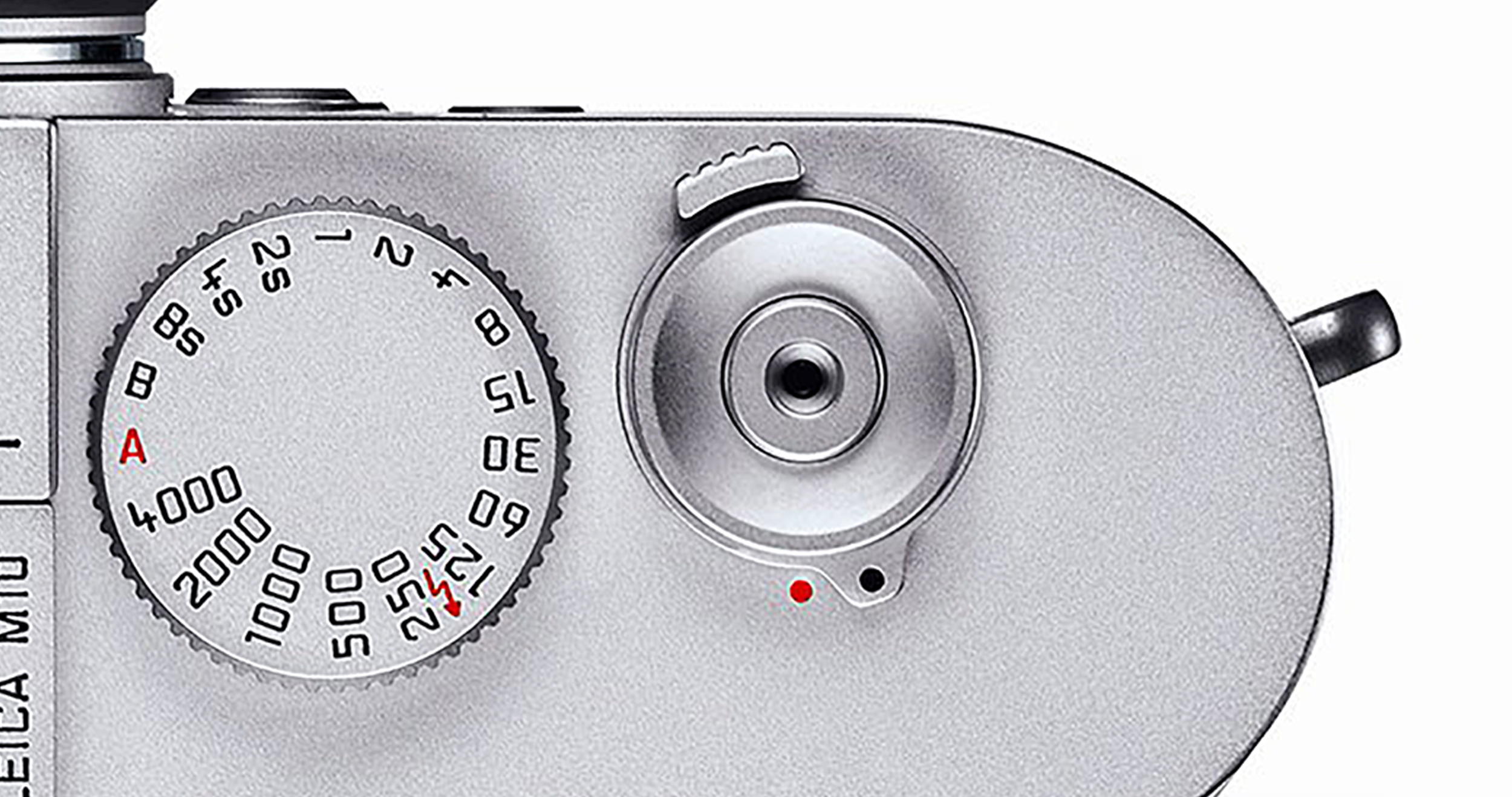
The dial for shutter speed and shutter button will remain as before since these make up the classic functionality of Leica rangefinder cameras. Among the differences is the slimmer body, which helps distinguish the two cameras even though their overall design remains closely related.
LED Frame Lines
Leica M10 camera will feature LED frame lines in the viewfinder window, and this will again mark a return to classic rangefinder design of the past Leica M cameras but with technological improvements.

Frame Selector
The frame-selector switch on the front of Leica M cameras is a much-loved rangefinder feature. The Leica M10 camera retains it: the switch on the Leica M10 camera lets you preview different bright-line frame pairs.
Wi-Fi
The digital age encourages that we share information faster and more efficiently with our friends, family and social network. Leica M10 camera will feature Wi-Fi connectivity to share your images.

I hope this article has helped clarify the key characteristics of the new Leica M10 camera. If you have any questions, please remember to join our Leica Forum (link on the main page), and we will be happy to answer them.
Thank you
OZ YILMAZ
leica-review.com
WE APPRECIATE YOUR DONATIONS TO KEEP LEICA REVIEW INDEPENDENT.